Enhancing Tree Health Through Proper Lacing Techniques
April 15, 2026
Urban landscapes and managed green spaces depend heavily on tree health, structural stability, and long-term resilience. Among various arboricultural practices, lacing techniques play a critical role in shaping canopy structure while preserving natural growth patterns. Proper lacing not only enhances aesthetic appeal but also strengthens branch distribution, reduces wind resistance, and minimizes the risk of limb failure. When executed correctly, it supports healthier growth cycles and improves overall tree vitality across residential, commercial, and municipal environments. Additionally, well-managed canopies contribute to improved air quality, better shade distribution, and enhanced ecosystem balance. These benefits extend beyond individual trees, positively influencing surrounding landscapes and urban microclimates. Consistent lacing practices also support long-term maintenance efficiency and reduce the need for corrective interventions.
In modern tree care practices, improper pruning often leads to long-term stress, decay, and structural imbalance. This is where professional lacing becomes essential, as it selectively removes overcrowded branches while maintaining the tree’s natural form. The technique requires precision, biological understanding, and strategic decision-making to ensure that energy distribution within the tree remains efficient. As climate variability increases and storm intensity becomes more unpredictable, structured canopy management becomes even more important. Lacing helps trees withstand environmental pressures while maintaining optimal light penetration and airflow throughout the canopy, contributing to sustained health and stability over time. It also plays a vital role in reducing hidden internal decay and promoting stronger branch unions. Over time, this results in trees that are not only healthier but also significantly safer in high-risk environments such as roadsides and public spaces.
Understanding Tree Lacing and Its Purpose
What Lacing Means in Arboriculture
Lacing refers to the selective thinning of interior branches to create a balanced canopy structure. The goal is not to reduce tree size drastically but to open internal spaces for light and airflow. This improves physiological functions such as photosynthesis and transpiration, supporting stronger growth patterns over time. Proper lacing maintains the external shape while refining internal density.
Biological Impact on Tree Health
Tree health depends on efficient energy distribution. Overcrowded branches compete for sunlight and nutrients, leading to weak or uneven growth. Lacing improves internal resource allocation by removing unnecessary or crossing branches. This allows stronger limbs to receive greater support, reducing stress points and minimizing disease susceptibility.
Common Misconceptions About Lacing
A frequent misunderstanding is that lacing weakens trees due to branch removal. In reality, excessive density causes greater structural risk during storms. When executed correctly, lacing enhances stability rather than compromising it. Another misconception is that it is purely aesthetic; however, its primary function is biological optimization.
Key Techniques Used in Effective Tree Lacing
Selective Branch Removal
Identifying Structural Imbalances
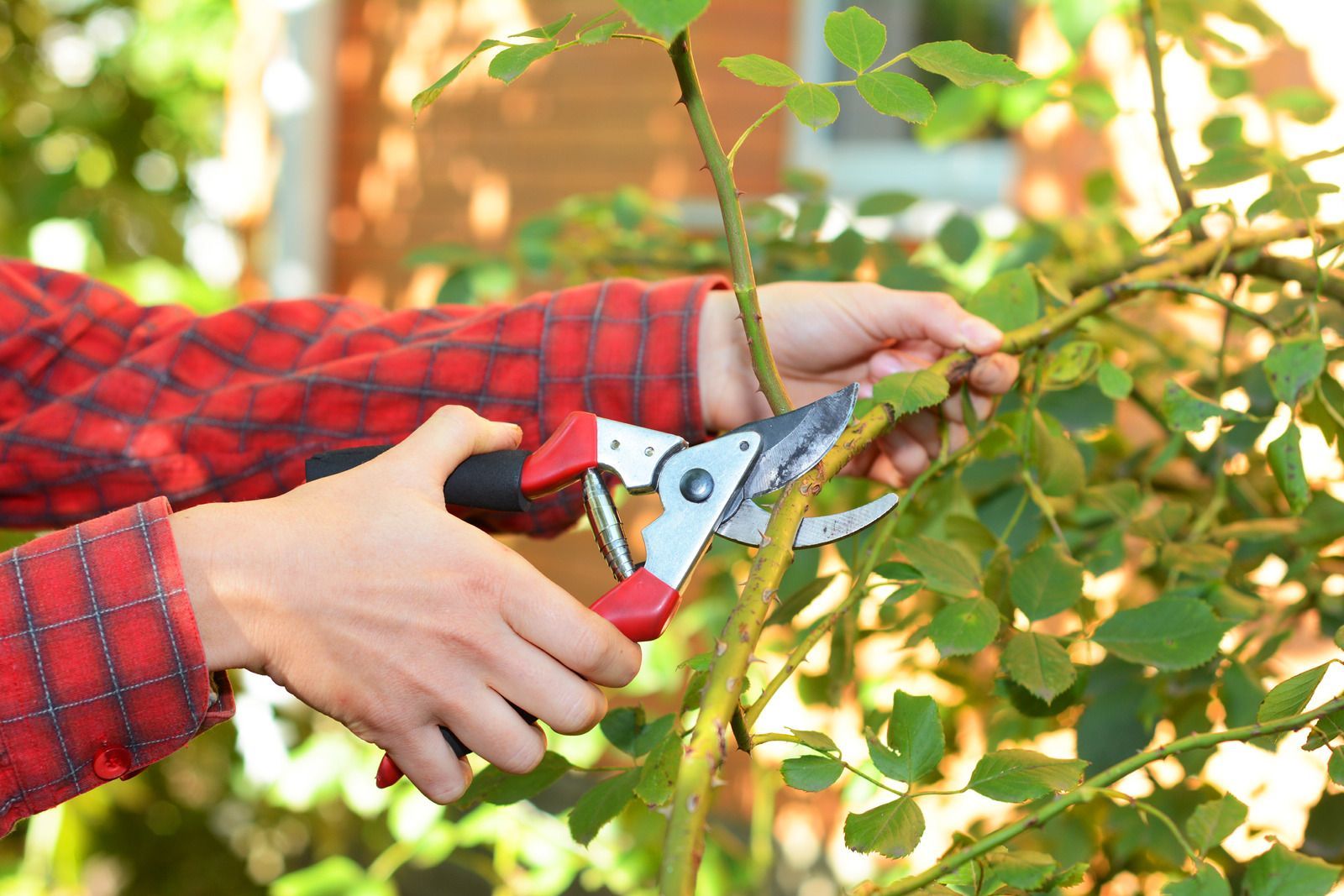
Selective removal focuses on eliminating weak, dead, or inward-growing branches. This helps redirect growth energy toward healthier limbs. Proper evaluation ensures that only necessary branches are removed to maintain canopy integrity and long-term structural stability throughout seasonal growth cycles.
Maintaining Natural Form
The objective is to preserve the tree’s natural silhouette. Over-thinning can cause stress, while under-thinning fails to achieve airflow benefits. A balanced approach ensures structural harmony and supports consistent canopy development without disrupting biological growth patterns unnecessarily.
Crown Thinning for Airflow Optimization
Enhancing Wind Resistance
Crown thinning reduces wind drag by allowing air to pass through the canopy more efficiently. This minimizes the likelihood of branch breakage during storms or high winds and significantly improves structural resilience under extreme weather pressure conditions.
Improving Light Distribution
Sunlight penetration increases when dense clusters are reduced. This supports lower and inner foliage, encouraging uniform growth and reducing shaded decay zones across the entire canopy structure for healthier long-term photosynthetic performance.
Structural Pruning for Long-Term Strength
Reinforcing Primary Branches
Structural pruning strengthens dominant limbs by reducing competition from weaker offshoots. This ensures long-term canopy stability and reduces future corrective interventions while promoting stronger load-bearing branch development across mature growth stages.
Preventing Future Hazards
Strategic cuts prevent rubbing branches, split formations, and weak crotch angles. These improvements significantly reduce failure risks as the tree matures and help maintain safe structural architecture during unpredictable environmental stress conditions.
Benefits of Proper Lacing Techniques for Tree Health
Enhanced Growth and Vitality
Improved Nutrient Distribution
When overcrowding is reduced, nutrient flow becomes more efficient. Stronger branches receive adequate support, resulting in healthier foliage and improved growth cycles with consistent energy allocation across all active growing zones.
Balanced Energy Use
Trees conserve energy when unnecessary branches are removed. This energy is redirected toward root development, flowering, and canopy strengthening leading to more sustainable and vigorous long-term biological performance overall.
Increased Structural Stability
Resistance to Storm Damage
A well-laced canopy experiences reduced wind pressure. This minimizes uprooting risks and branch snapping during severe weather conditions ensuring improved survival rates during high-intensity seasonal storms and wind events.
Reduced Weight Stress
Heavy, dense canopies place strain on trunk and major limbs. Lacing reduces this load, improving long-term structural integrity and decreasing risk of mechanical failure in mature tree frameworks
Disease and Pest Control
Improved Air Circulation
Better airflow reduces moisture retention within dense areas. This discourages fungal growth and bacterial infections that thrive in humid environments and supports healthier microclimates within internal canopy structures overall.
Early Detection of Issues
Thinned canopies allow easier visual inspection, making it simpler to identify pests, decay, or structural weaknesses early before they escalate into severe irreversible arboricultural damage over time.
Challenges and Best Practices in Lacing Techniques
Risks of Improper Execution
Over-Pruning Damage
Excessive removal of branches can shock the tree, reducing its ability to produce food through photosynthesis. This may lead to stunted growth or decline in health and long-term weakening of structural resilience and recovery capacity.
Incorrect Cut Placement
Improper cutting near branch collars or main limbs can create entry points for disease and pests. Precision is essential for healing and recovery and for preventing internal decay spread within woody tissue systems.
Seasonal Timing Considerations
Optimal Pruning Periods
Timing significantly impacts recovery rates. Dormant seasons are often preferred, as energy demand is lower and healing processes are more efficient allowing optimal regrowth conditions and minimized physiological stress responses overall.
Weather Sensitivity
Extreme heat or moisture conditions can affect wound closure and increase infection risks. Proper scheduling ensures optimal outcomes and supports faster natural healing responses in treated arboricultural environments.
Professional Best Practices
Canopy Assessment Before Cutting
A full structural evaluation is necessary before any lacing begins. This includes analyzing branch angles, density patterns, and overall tree health to ensure precision-driven intervention and long-term structural safety improvements.
Incremental Pruning Approach
Gradual thinning over multiple sessions is more effective than aggressive single-stage pruning. This helps maintain physiological balance and reduces stress while supporting steady adaptive growth responses across seasons.
Use of Clean and Sharp Equipment
Sterilized tools prevent contamination and ensure smooth cuts that heal efficiently. Clean cuts reduce long-term damage and support rapid recovery minimizing infection risks and enhancing wound closure efficiency significantly.
Environmental and Landscape Impact of Tree Lacing
Contribution to Sustainable Landscapes
Supporting Urban Green Systems
Properly managed trees contribute to improved air quality, shade provision, and temperature regulation in urban areas. Lacing ensures long-term sustainability of these benefits while strengthening ecological balance within developed environments.
Reducing Maintenance Costs
Healthy, well-structured trees require fewer emergency interventions, reducing long-term maintenance efforts in managed landscapes and improving overall resource efficiency in arboricultural planning systems.
Aesthetic and Functional Value
Enhanced Visual Appeal
Balanced canopies improve landscape symmetry and visual harmony. This is especially valuable in residential gardens, parks, and commercial properties where structured greenery enhances overall environmental aesthetics significantly.
Improved Land Usability
Well-maintained trees allow better utilization of surrounding space without compromising safety or accessibility enabling more efficient landscape design and functional outdoor planning opportunities.
Climate Resilience Benefits
Adaptation to Weather Extremes
Trees with optimized canopy structures are better equipped to handle strong winds, heavy rainfall, and temperature fluctuations ensuring greater survival adaptability under changing climate conditions worldwide.
Long-Term Ecological Stability
Healthy trees contribute to biodiversity, soil stability, and ecosystem balance, making lacing an essential part of environmental management supporting sustained ecological resilience and habitat preservation systems globally.
Reliable Tree Lacing Practices For Sustainable Landscapes
Proper lacing techniques play a crucial role in maintaining tree structure, improving airflow, and enhancing long-term health. When applied with precision, these methods support balanced growth, reduce structural risks, and strengthen resistance against environmental stress. Trees respond positively when internal competition is minimized and energy distribution becomes more efficient. This results in stronger canopies, improved disease resistance, and greater longevity.
Long-term landscape sustainability depends heavily on thoughtful canopy management practices. Lacing stands as one of the most effective methods for achieving both functional and aesthetic improvements without compromising natural growth patterns. It ensures that trees remain stable, visually appealing, and environmentally beneficial across seasons.
Estates Tree Service
brings extensive field experience across diverse landscapes, delivering advanced arboricultural solutions rooted in precision and care. With 44
years of dedicated expertise serving San Diego and Imperial County, a deep understanding of regional tree species and climate challenges shapes every approach. Each project reflects a commitment to tree vitality, structural safety, and sustainable landscape management, ensuring long-lasting results for every property served.