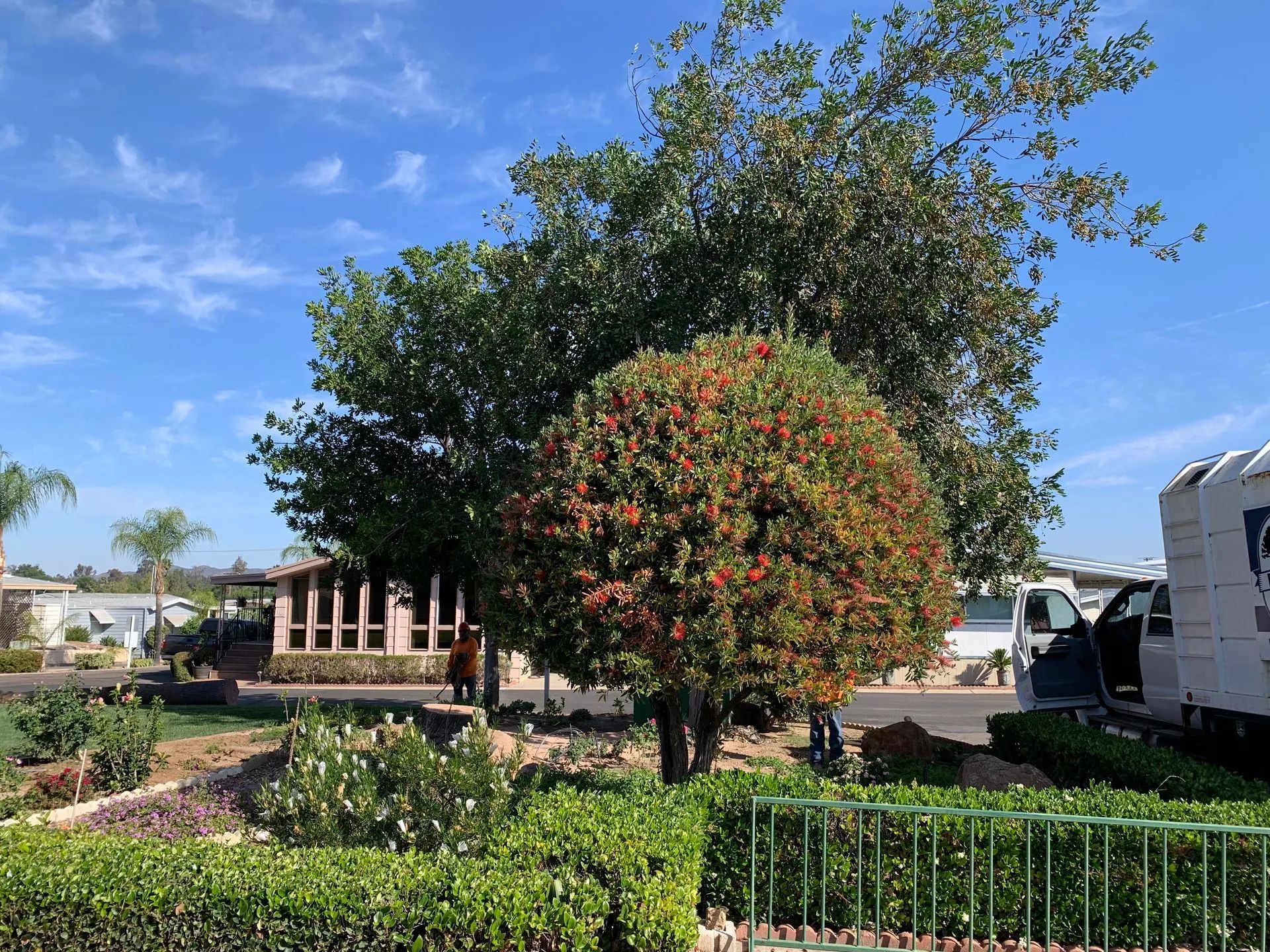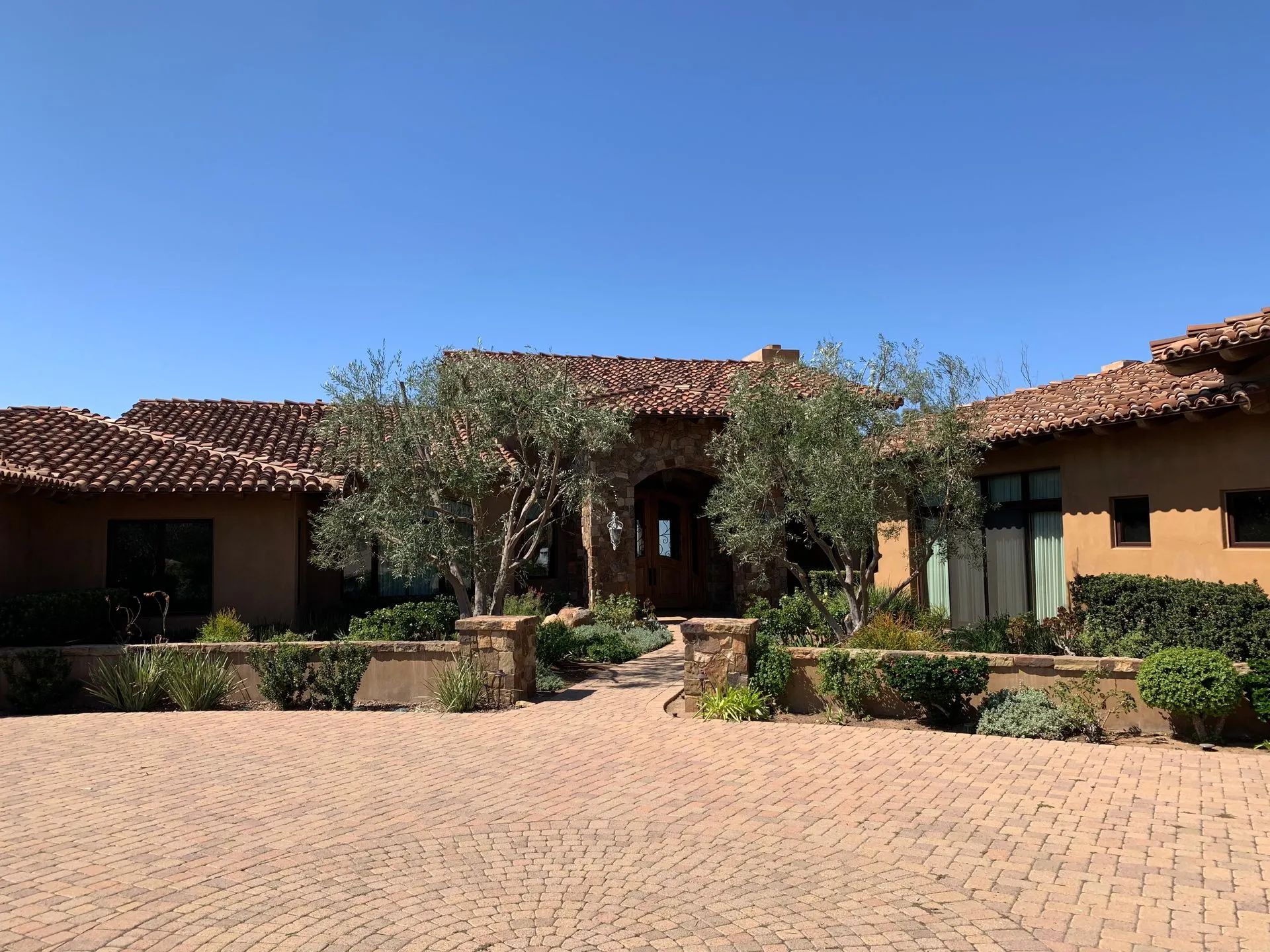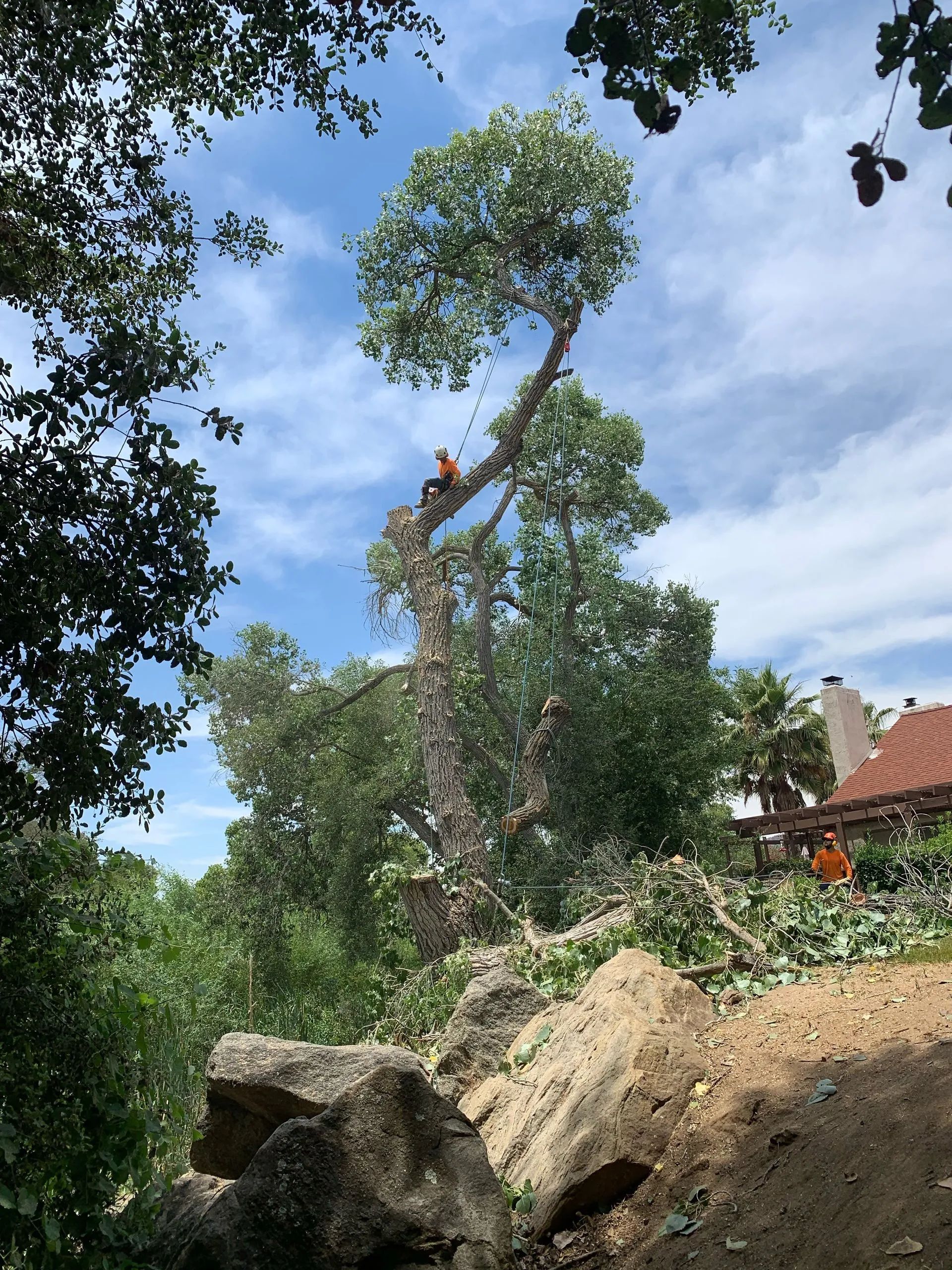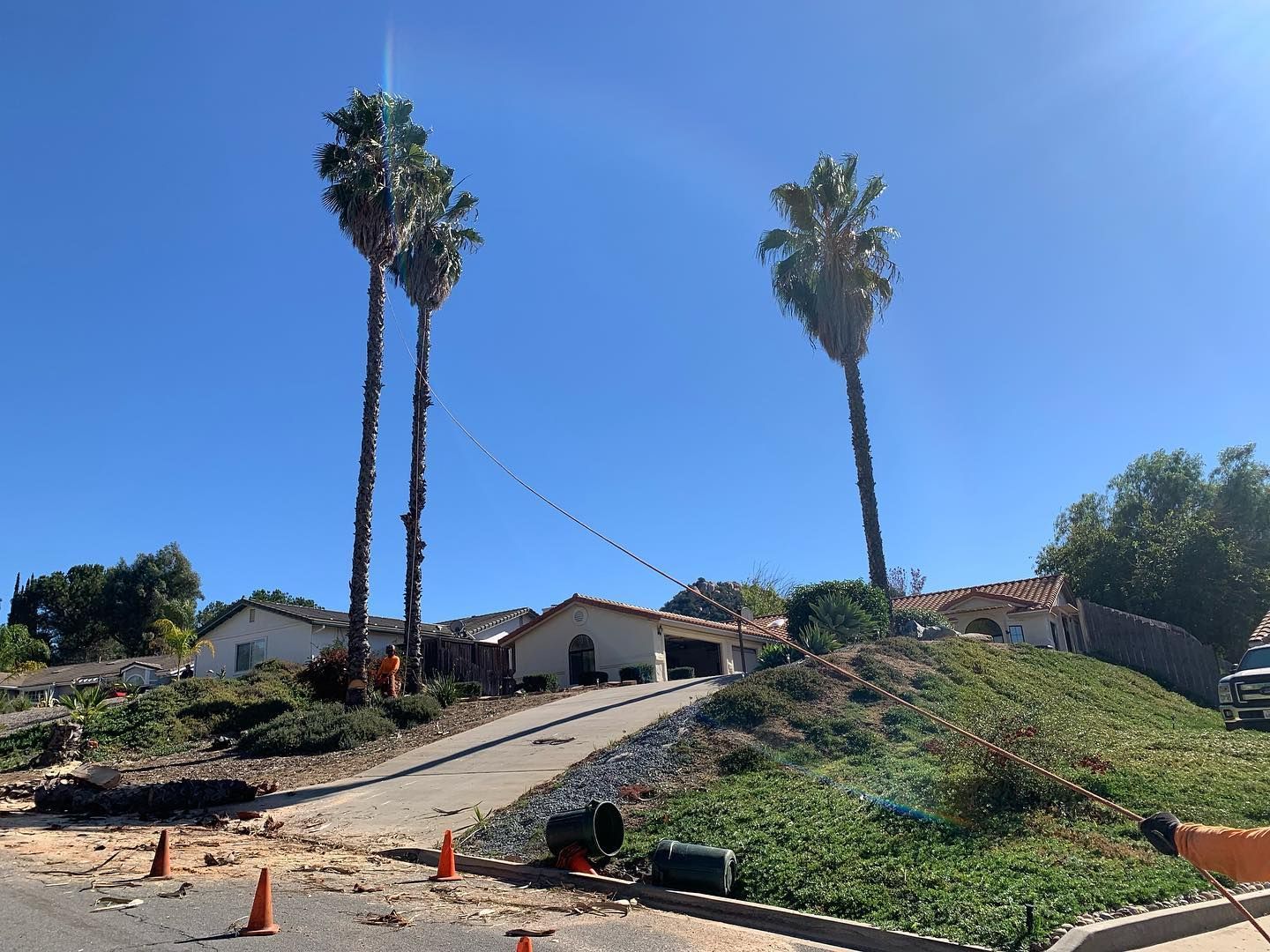
Transform Your Landscape With Expert Lacing & Shaping Services
May 6, 2026
A well-structured landscape is more than visual appeal; it is a carefully engineered outdoor environment that balances health, structure, and long-term sustainability. Among the most important yet often overlooked practices in modern arboriculture and landscape management are lacing and shaping services. These techniques play a critical role in enhancing tree structure, improving sunlight penetration, and ensuring safe, controlled growth across residential and commercial spaces. As landscapes become more complex and property owners seek both beauty and functionality, expert-level canopy management has become essential rather than optional. Proper implementation of these techniques also helps reduce long-term damage caused by overcrowded branches and uneven growth patterns. It creates a stable ecosystem where trees, shrubs, and surrounding vegetation coexist in harmony. This structured approach ensures that landscapes remain resilient against seasonal changes and environmental stressors while maintaining consistent visual appeal throughout the year.
In today’s landscaping industry, demand for precision-based tree care continues to grow. Trees that are left unmanaged often develop dense canopies, weak branch structures, and poor airflow, leading to long-term health issues and safety risks. Through professional lacing and shaping, we ensure trees maintain their natural beauty while supporting structural integrity and environmental balance. These services not only elevate curb appeal but also contribute to healthier ecosystems and reduced maintenance costs over time. With the right approach, any outdoor space can be transformed into a well-balanced, visually appealing, and safe environment that stands strong for years. This proactive care approach also minimizes emergency pruning needs and unexpected property damage risks. It supports consistent growth patterns that align with surrounding infrastructure and landscape design goals. Over time, it enhances overall land value while promoting a safer and more sustainable outdoor environment for both residential and commercial properties.
Understanding Lacing & Shaping in Modern Landscaping
What Lacing Means in Tree Management
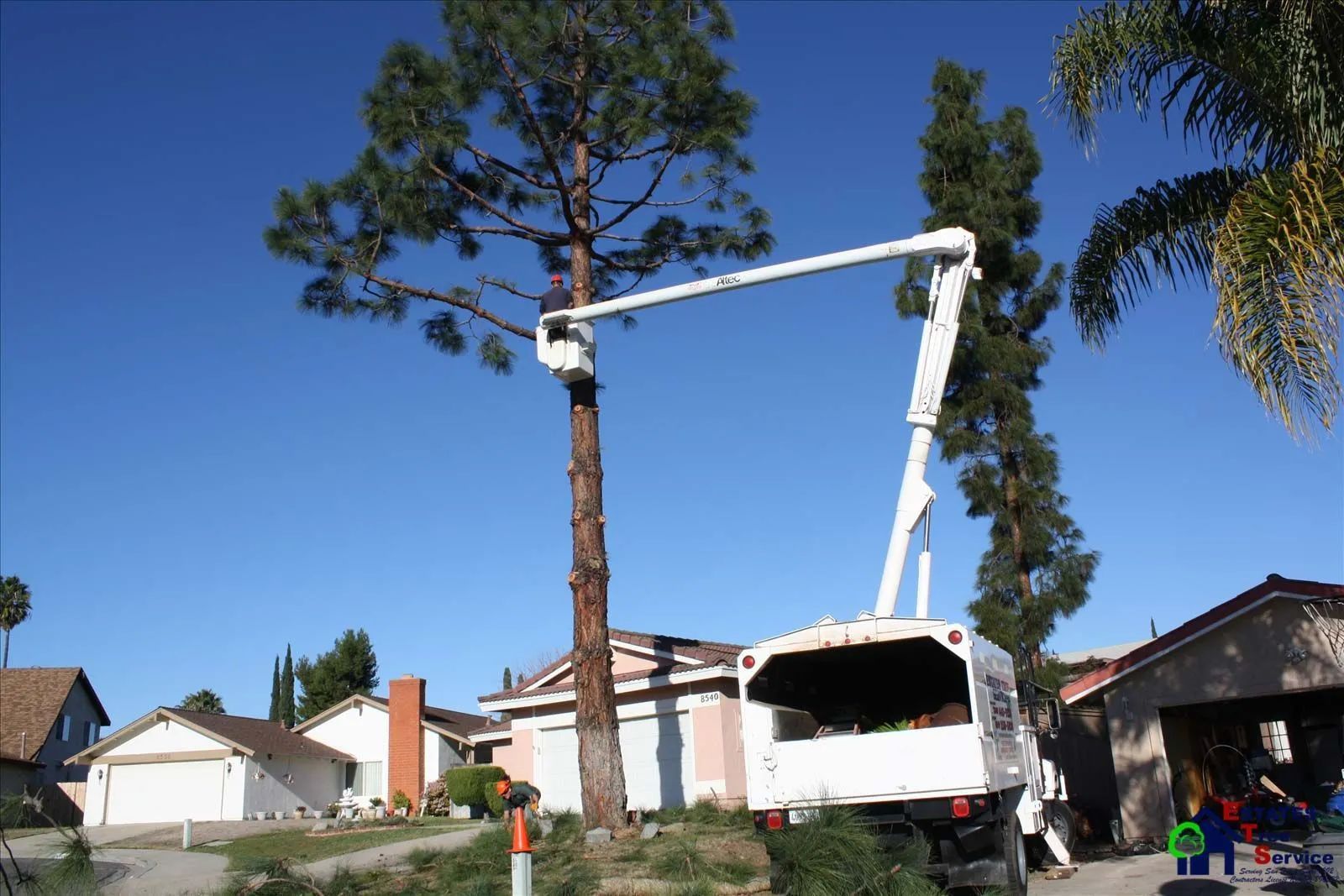
Lacing refers to the selective removal of inner branches and excess foliage to create a more open canopy structure. This process improves airflow, allows sunlight to reach lower vegetation, and reduces the risk of fungal growth and pest infestation. A properly laced tree maintains its natural outline while eliminating unnecessary density that can strain structural balance and long-term stability.
From a functional standpoint, lacing also reduces wind resistance. During storms or high winds, dense canopies act like sails, increasing the likelihood of branch failure and structural damage. By carefully thinning internal growth, trees become more resilient without losing their natural appearance or ecological balance over time.
The Purpose of Professional Shaping
Shaping focuses on directing the growth pattern of a tree to achieve a balanced and aesthetically pleasing form. Unlike basic trimming, shaping is strategic and long-term oriented. It encourages structural strength by guiding branch direction, reducing overcrowding, and preventing uneven weight distribution across the canopy system.
Proper shaping ensures trees grow away from buildings, power lines, and walkways, reducing safety hazards in surrounding areas. It also enhances symmetry, which significantly improves the visual appeal of residential and commercial landscapes with lasting environmental harmony.
Benefits of Expert Lacing & Shaping Services
Improved Tree Health and Longevity
Healthy trees require balanced energy distribution. When excess branches compete for nutrients, growth becomes uneven and weak. Lacing helps redirect energy toward stronger branches, improving overall vitality and structural resilience. Increased airflow and sunlight exposure also support better photosynthesis, resulting in healthier foliage and root development efficiency.
Over time, structured growth leads to longer life expectancy for trees, reducing the need for frequent removals or corrective interventions across changing seasonal conditions and environmental stress factors.
Enhanced Safety and Risk Reduction
Overgrown trees often pose hidden dangers. Weak limbs, excessive canopy weight, and poor visibility can lead to property damage or injury. Lacing reduces the likelihood of sudden branch failure, while shaping ensures controlled growth away from high-risk zones and vulnerable infrastructure areas.
In urban and suburban environments, proactive tree management is essential for preventing accidents during storms or high winds. Properly maintained trees contribute to safer outdoor spaces for families, visitors, and properties throughout the year.
Increased Aesthetic and Property Value
A well-maintained landscape significantly enhances property value. Laced and shaped trees create clean lines, balanced proportions, and improved visual flow across outdoor spaces. This refined appearance adds sophistication and curb appeal, making properties more attractive to buyers and visitors seeking quality environments.
Landscapes that appear organized and healthy also reflect positively on overall property maintenance standards, contributing to stronger market perception and long-term investment appeal.
Techniques Used in Professional Lacing & Shaping
Selective Pruning for Structural Balance
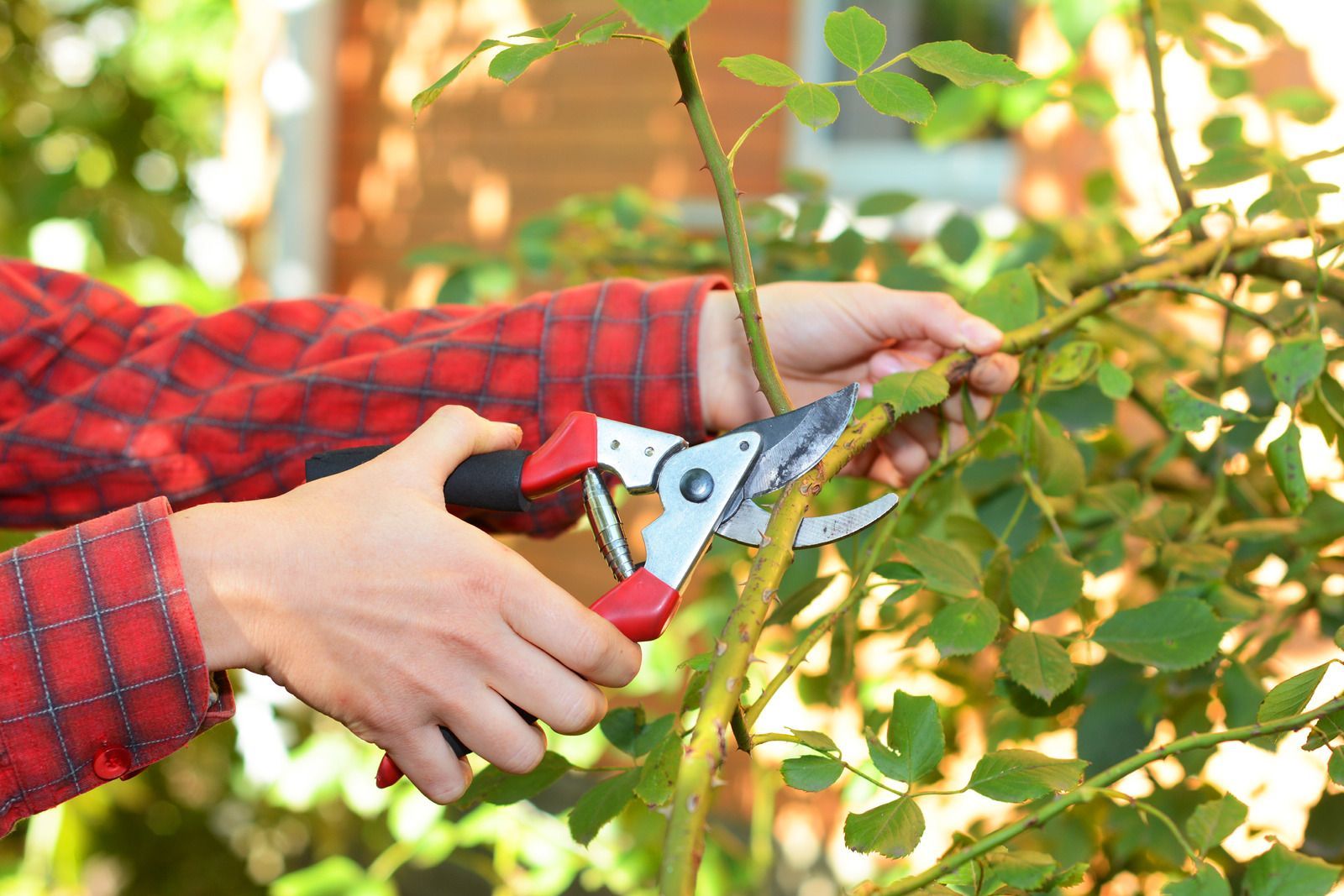
Selective pruning involves identifying and removing branches that interfere with healthy growth patterns. This includes crossing branches, inward-growing limbs, and weak offshoots. By maintaining only structurally important branches, trees develop stronger frameworks capable of supporting long-term growth and improved environmental resilience over time consistently.
This technique requires precision and deep understanding of tree biology to avoid over-pruning, which can stress the tree and reduce its regenerative capacity over time significantly, ensuring sustainable growth and reduced long-term stress.
Canopy Thinning for Light Optimization
Canopy thinning is a key component of lacing. It focuses on reducing density within the crown without altering the overall shape. The goal is to allow natural light to penetrate deeper into the canopy and surrounding landscape for improved ecological balance. supporting stronger ecosystem balance across urban landscapes.
This improves undergrowth health and promotes better air circulation, reducing the risk of disease and decay within the tree structure while supporting healthier surrounding plant life while enhancing long-term biodiversity and stability overall.
Directional Growth Training
Shaping often involves guiding future growth through strategic cuts and selective branch retention. This technique ensures that trees grow in harmony with their surroundings. Branches are encouraged to extend in safe, controlled directions, minimizing interference with structures or pathways nearby without compromising structural integrity or safety standards.
Directional training is especially valuable in residential areas where space is limited and precision is critical for maintaining both safety and visual balance especially in densely populated residential urban settings.
Challenges in Lacing & Shaping and How Experts Address Them
Risk of Over-Pruning
One of the most common challenges in tree shaping is over-pruning, which can weaken structural integrity and reduce leaf production. Skilled professionals avoid this by following the one-third rule, ensuring that no more than a safe percentage of canopy is removed at once during any session while preserving essential energy production and recovery capacity.
Balanced decisions are made based on species, age, and seasonal conditions to maintain long-term health and ensure consistent recovery after each maintenance cycle especially under varying climatic and seasonal conditions.
Species-Specific Growth Behavior
Different tree species respond differently to pruning techniques. Some recover quickly, while others require slower, more gradual shaping. Understanding these biological differences is essential for achieving desired outcomes without stressing the tree or disrupting natural growth cycles requiring adaptive techniques and experienced arborist judgment.
Customized approaches ensure that each tree receives care tailored to its natural growth patterns and environmental adaptability requirements for optimal health and sustained growth performance.
Seasonal Timing and Environmental Factors
Timing plays a critical role in successful lacing and shaping. Performing these services at the wrong time of year can lead to sap loss, pest vulnerability, or slowed recovery. Environmental conditions such as drought or excessive moisture also influence outcomes significantly ensuring minimal stress and faster recovery rates.
Expert planning ensures that interventions align with optimal growth cycles for maximum effectiveness and long-term structural improvement results depending on regional climate variability and conditions.
Best Practices for Long-Term Landscape Maintenance
Regular Inspection and Monitoring
Consistent evaluation of tree structure helps identify early signs of imbalance or disease. Regular inspections allow for timely intervention, preventing minor issues from becoming major structural concerns that could impact safety and landscape stability helping maintain safety and long-term structural integrity.
Integrated Landscape Management
Lacing and shaping should be part of a broader landscape strategy that includes soil health, irrigation, and pest control. A holistic approach ensures that trees grow in a supportive environment that enhances long-term stability and ecological performance promoting sustainable growth across diverse environmental conditions.
Sustainable Pruning Techniques
Sustainability in tree care involves minimizing waste, preserving natural structure, and promoting ecological balance. Proper cutting techniques reduce stress on trees and encourage natural regeneration without unnecessary intervention while maintaining environmental responsibility standards supporting ecological balance and resource efficiency goals.
Reliable Estates Tree Service Shapes Safe Beautiful Landscapes
Expert lacing and shaping services play a vital role in maintaining healthy, safe, and visually appealing landscapes. By improving airflow, guiding structural growth, and reducing unnecessary density, these techniques ensure trees develop in a balanced and sustainable manner. When applied correctly, they enhance both the natural beauty and functional safety of outdoor environments while supporting long-term ecological health.
Consistent maintenance and professional oversight are essential to avoid structural issues and preserve the integrity of mature trees. Thoughtful pruning decisions contribute to stronger growth patterns and reduce future risks associated with overgrowth or storm damage. A well-managed landscape reflects care, precision, and environmental responsibility.
Estates Tree Service
delivers
advanced lacing and shaping solutions
designed to enhance tree health and landscape performance. With 44
years of experience serving San Diego and Imperial County, deep expertise supports every stage of tree development—from careful pruning to long-term structural management. Reliable practices, technical knowledge, and commitment to landscape excellence ensure every project is handled with precision and lasting value.