What is Tree Lacing and Shaping, and Why It Matters
March 19, 2026
Trees are more than just natural decorations; they are living structures that define the aesthetics, health, and safety of landscapes. Among the myriad tree care techniques, tree lacing and shaping stand out as specialized practices that blend horticulture with artistry. These techniques involve strategically pruning, training, and structuring tree branches to enhance both their visual appeal and structural integrity. For property owners, landscapers, and arborists, understanding these practices is essential for maintaining trees that are not only beautiful but resilient against environmental stressors.
The significance of tree lacing and shaping extends beyond appearance. Properly structured trees are less prone to storm damage, decay, or disease. By guiding growth patterns and removing interfering branches, it becomes possible to promote healthier canopies and balanced weight distribution. Furthermore, laced and shaped trees can complement architectural designs, optimize light and air penetration, and prevent potential hazards associated with weak or overgrown limbs. As urban areas and private landscapes continue to prioritize both safety and aesthetics, mastering the principles of tree lacing and shaping has become increasingly valuable for anyone invested in long-term tree management.
Understanding Tree Lacing: Definition and Purpose
What Tree Lacing Entails
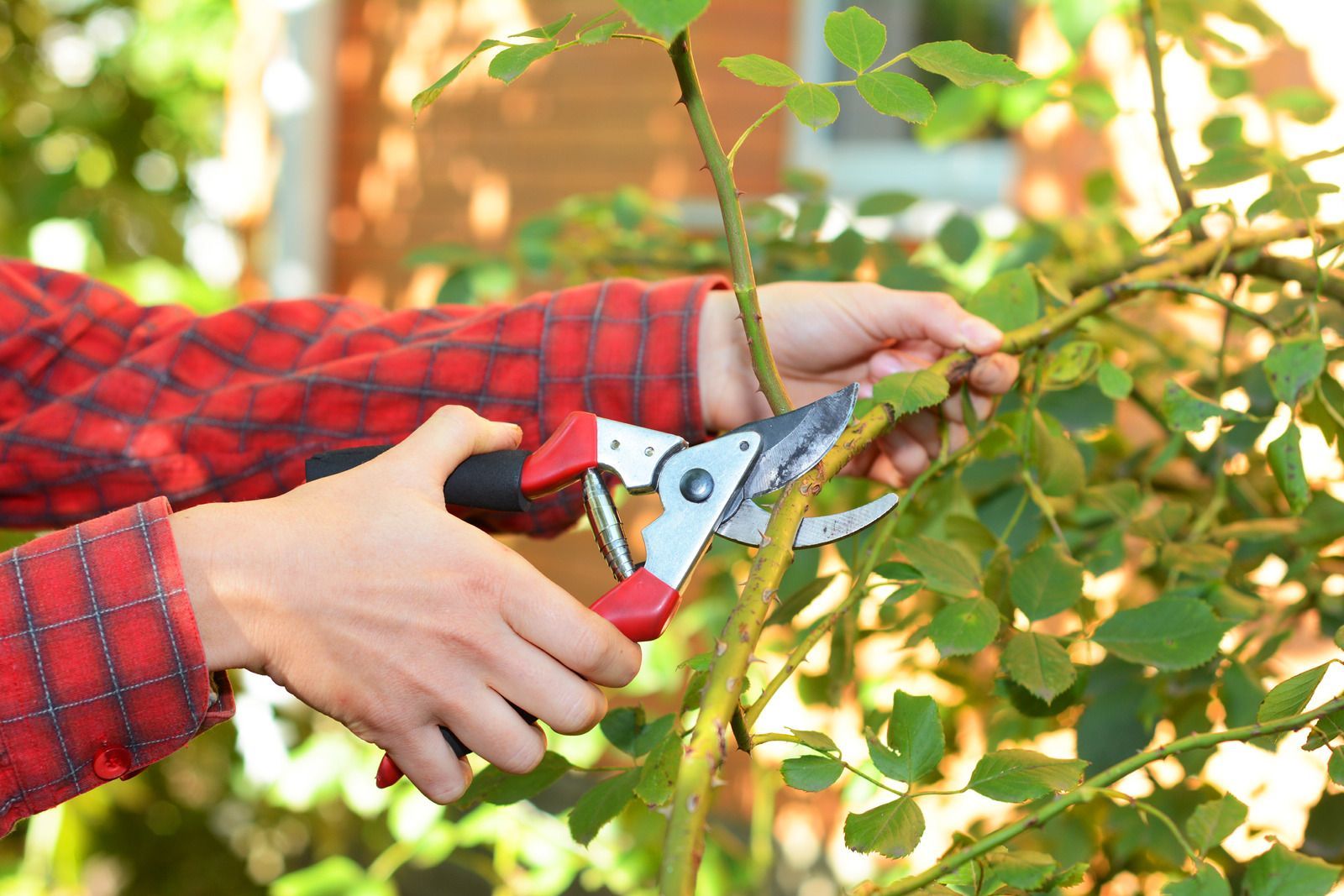
Tree lacing is a precise pruning technique aimed at improving the structure of a tree by carefully removing select branches. Unlike routine trimming, lacing targets branches that compete for space, grow in undesirable directions, or threaten the tree’s structural stability. The objective is to reduce clutter in the canopy, increase airflow, and minimize areas where pests or diseases may take hold. Proper lacing requires an understanding of the tree’s natural growth patterns, branch angles, and potential load-bearing limitations.
Core Benefits of Lacing
Lacing improves the long-term health and safety of trees. By selectively removing branches that overlap or rub against each other, stress points are reduced, minimizing the risk of limb failure. This is particularly important for mature trees in urban or suburban landscapes, where falling branches can pose safety hazards. Additionally, lacing enhances sunlight penetration and air circulation, which boosts photosynthesis and reduces fungal infections. Trees that undergo thoughtful lacing often exhibit stronger, more resilient growth and a more aesthetically pleasing form.
When to Apply Tree Lacing
Timing is crucial for effective lacing. Most deciduous trees benefit from lacing during dormant seasons, while certain evergreen species can tolerate selective pruning throughout the year. Seasonal timing also affects healing rates; lacing performed too late in the growing season may leave wounds vulnerable to pests and disease. Knowledge of the species-specific growth cycle is essential to achieve optimal results and prevent unnecessary stress on the tree.
The Art and Science of Tree Shaping
Shaping for Structural Integrity
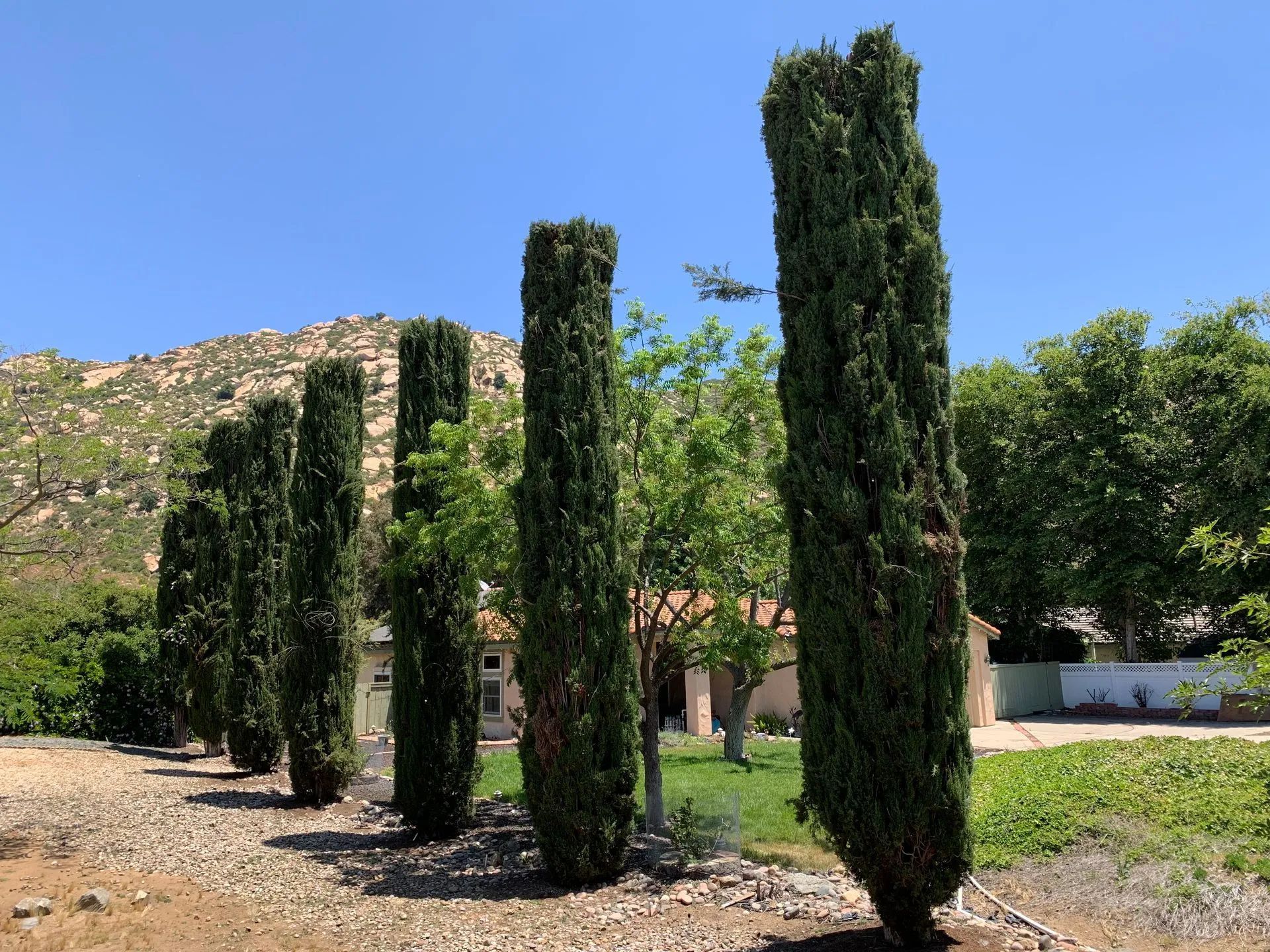
Tree shaping involves guiding the growth of trees into desired forms, both for aesthetic and functional purposes. Unlike lacing, which primarily removes problematic branches, shaping may involve training branches using supports, ties, or selective pruning to encourage a balanced canopy. Properly shaped trees distribute weight evenly across branches, reducing the likelihood of splits or breaks during heavy winds or storms. Structural shaping is particularly valuable in urban landscapes, parks, and areas with heavy foot traffic, where tree stability is paramount.
Enhancing Aesthetic Appeal
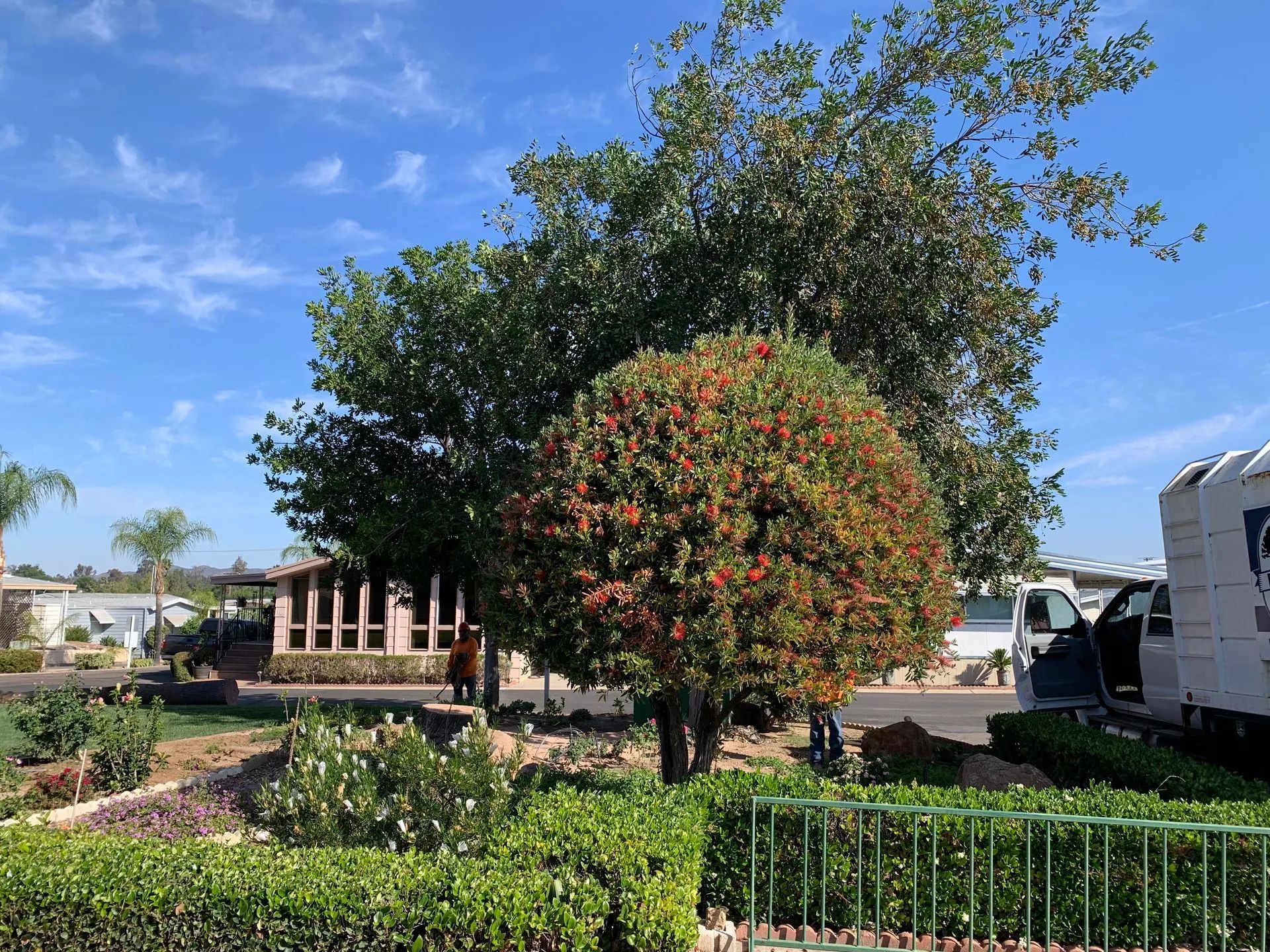
Shaping provides opportunities to create visually striking forms that complement landscaping design. Whether aiming for symmetrical canopies, layered branching, or naturalistic artistic shapes, shaping allows for creative expression while maintaining tree health. In commercial landscapes, shaping can serve as a defining feature, enhancing curb appeal and adding value to properties. Homeowners seeking ornamental gardens or visually appealing shade trees often turn to shaping techniques to achieve a polished, professional look.
Techniques and Tools for Shaping
Shaping requires a combination of proper pruning tools, growth knowledge, and patience. Hand saws, pole pruners, and specialized shaping shears are commonly used to achieve clean cuts without damaging the tree. Training materials such as arborist tape, guiding wires, and supports help direct branch growth without restricting natural movement. Strategic planning and incremental adjustments over multiple seasons are often necessary to achieve the intended shape without compromising health or stability.
Benefits of Tree Lacing and Shaping
Promoting Tree Health
Both lacing and shaping contribute to the overall vitality of trees. By removing weak, crowded, or diseased branches, energy is redirected to the strongest parts of the tree. This targeted pruning reduces susceptibility to decay and pest infestations while encouraging robust, balanced growth. A well-structured tree is better able to withstand environmental stressors such as wind, ice, and heavy rainfall.
Enhancing Safety and Longevity
Trees with overgrown or misaligned branches can present safety hazards. Lacing and shaping reduce the likelihood of limb failure, particularly in areas where property or people may be at risk. Properly shaped trees with strong branch architecture can live longer, avoiding premature decline caused by structural weakness. For landscapes where safety and long-term investment are priorities, these practices are critical.
Improving Landscape Aesthetics
Beyond health and safety, laced and shaped trees create visually appealing landscapes. Thoughtful pruning and shaping can transform ordinary trees into eye-catching focal points. Layered canopies, balanced branch structures, and artistic forms contribute to a sense of order, elegance, and professionalism in gardens, parks, and commercial properties. This enhances property value and provides a more enjoyable outdoor environment.
Challenges and Considerations
Common Pitfalls in Lacing and Shaping
Despite the benefits, improper lacing or shaping can harm a tree. Over-pruning may expose excessive wood, leading to sunscald or stress. Cutting too many supporting branches at once can destabilize a canopy, while improper shaping techniques may force unnatural growth patterns that weaken the tree over time. A clear understanding of species-specific growth habits is essential to avoid these issues.
Safety Risks
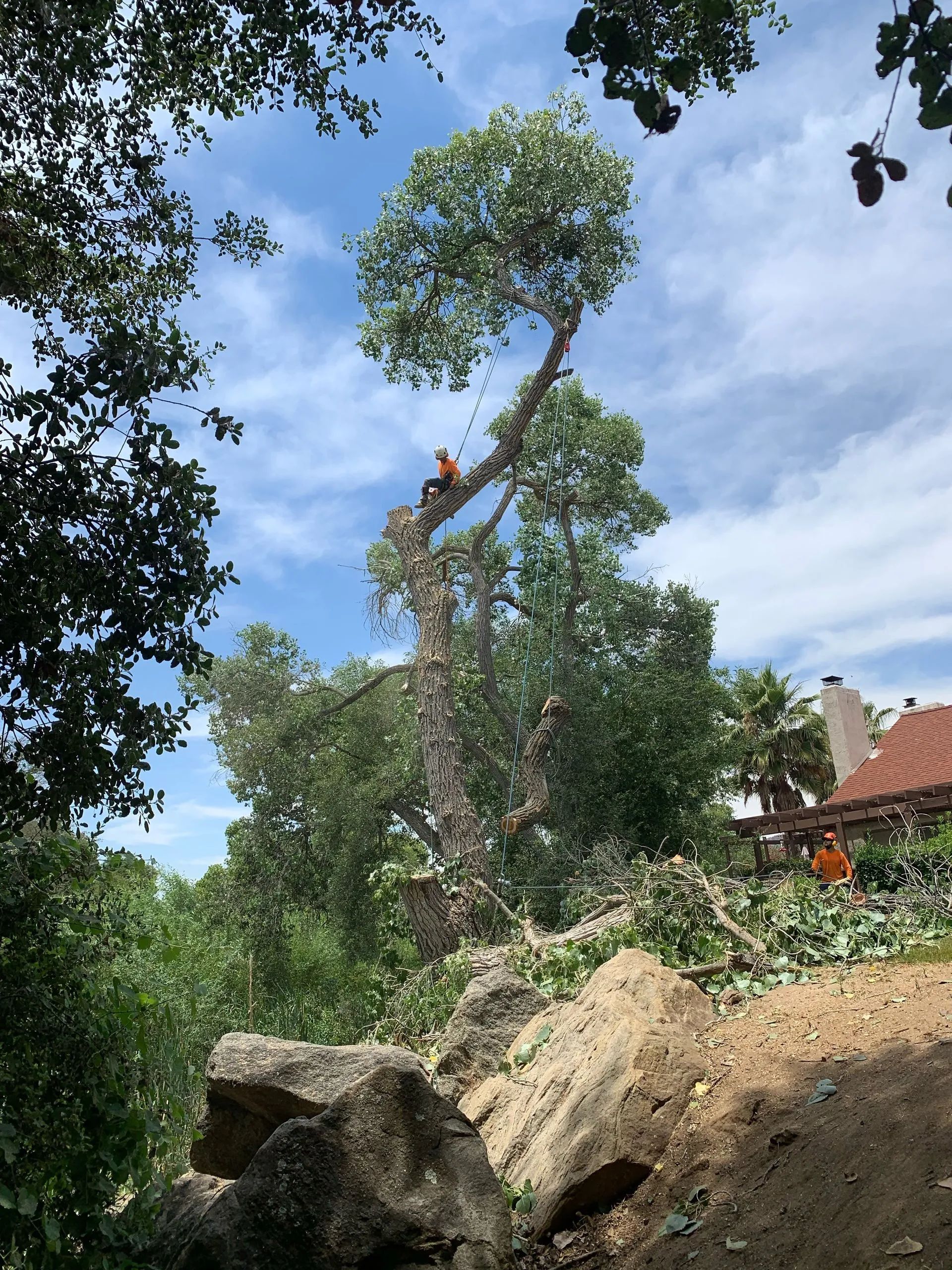
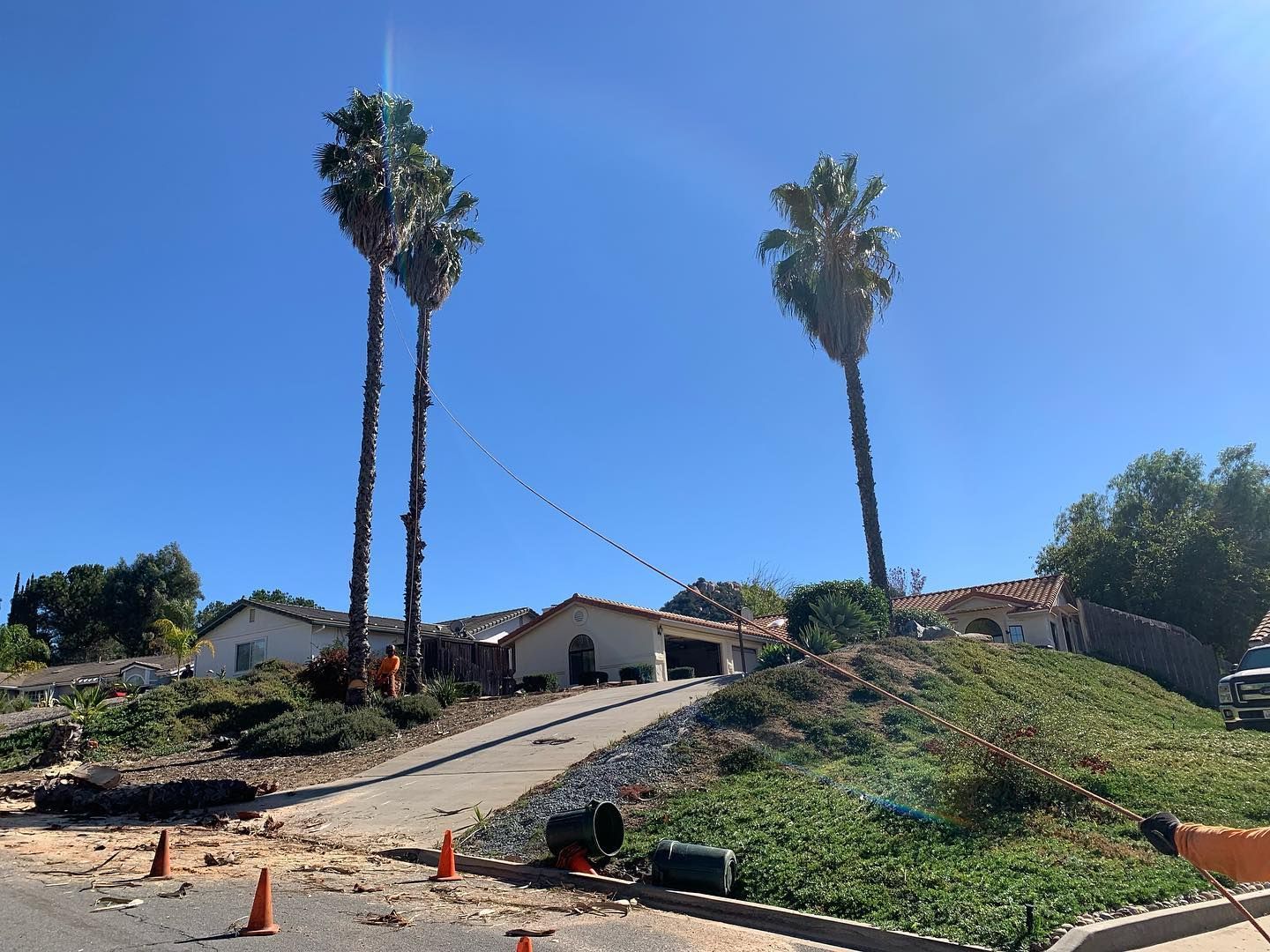
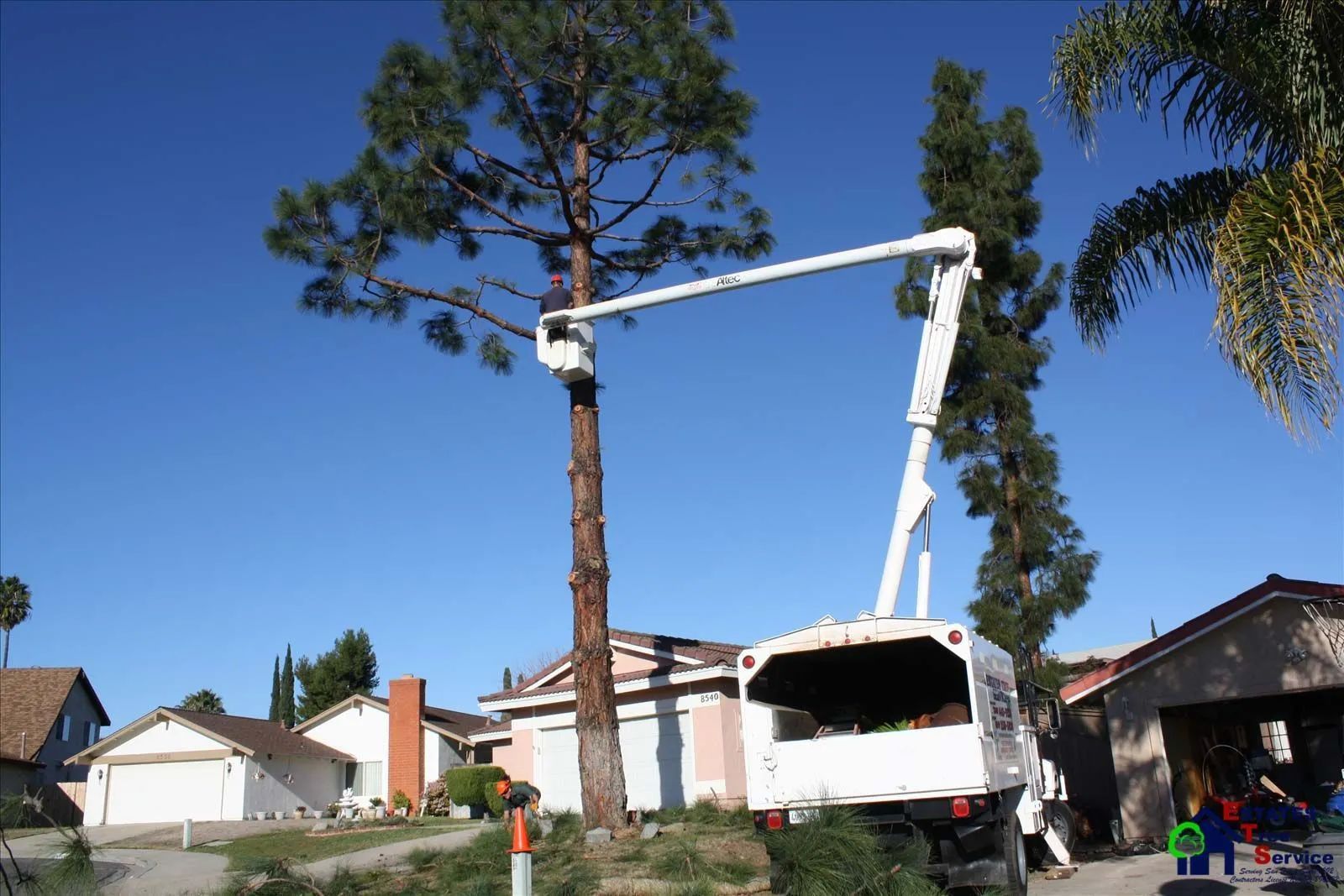
Tree work carries inherent risks, including falls, branch snapback, and equipment injuries. Safe practices, proper protective equipment, and knowledge of load distribution are critical. Additionally, working near power lines or structures increases the risk factor, emphasizing the need for careful planning and professional expertise.
Environmental and Seasonal Factors
Local climate, soil conditions, and seasonal variations influence the timing and success of lacing and shaping. For example, trees in drought-prone regions may require more conservative pruning to avoid stress, while species with heavy sap flow may be better pruned during dormancy. Monitoring environmental conditions ensures that interventions enhance tree health rather than unintentionally causing damage.
Best Practices for Effective Lacing and Shaping
Strategic Planning
Effective tree care begins with careful planning. Assess the tree’s current structure, identify weak or competing branches, and determine aesthetic goals. Prioritize interventions that improve safety and structural integrity while aligning with long-term growth objectives. A step-by-step plan minimizes errors and allows for measured, consistent results over time.
Incremental Pruning
Gradual adjustments are preferable to drastic cuts. Incremental pruning reduces stress on the tree, allowing it to adapt and heal properly. Each pruning session should focus on specific objectives, such as removing diseased branches, improving airflow, or guiding canopy shape. This approach ensures both health and aesthetic outcomes are optimized.
Monitoring and Maintenance
Laced and shaped trees require ongoing care. Seasonal inspections, corrective pruning, and monitoring for disease or pest activity are essential. This proactive approach prevents structural issues from developing and maintains the visual and functional benefits of the tree. Maintenance also allows early identification of potential hazards, reducing long-term risk.
Expert Techniques
Applying professional techniques, such as making proper cuts just outside the branch collar, using sharp and sanitized tools, and adhering to species-specific guidelines, enhances success. Understanding branch angles, growth response, and canopy dynamics ensures interventions promote resilience, longevity, and beauty. Engaging knowledge-based practices elevates tree care from routine trimming to precision arboriculture.
Real-World Applications and Examples
Urban Landscaping
In urban areas, laced and shaped trees provide shade, improve air quality, and enhance property aesthetics without creating hazards for pedestrians or structures. Thoughtful pruning and shaping accommodate traffic visibility, overhead lines, and space constraints, making urban landscapes safer and more attractive.
Residential Gardens
Homeowners can benefit from these techniques to create visually pleasing and safe outdoor spaces. Shaped trees may define pathways, frame patios, or serve as focal points. Lacing improves sunlight penetration, promoting healthy grass and plants below while preventing branches from interfering with structures or outdoor amenities.
Commercial and Public Spaces
Parks, commercial properties, and campuses rely on well-maintained trees to convey professionalism and care. Lacing and shaping contribute to both safety and visual impact, reducing liability risks from falling branches and creating an inviting environment for visitors. These practices also extend the functional lifespan of trees, preserving landscape investments over time.
Professional Arborist Techniques Backed by Decades of Experience
Tree lacing and shaping represent a blend of science, skill, and artistry essential to modern tree care. By strategically pruning, training, and guiding tree growth, these techniques promote structural integrity, aesthetic appeal, and long-term health. Trees subjected to proper lacing and shaping are safer, more resilient to environmental challenges, and visually striking, offering substantial benefits for residential, commercial, and urban landscapes alike. Applying these practices effectively requires planning, patience, and an understanding of species-specific growth patterns.
At Estates Tree Service, experience spans over 44
years serving San Diego and Imperial County with dedication to excellence and expertise. Knowledgeable in advanced pruning, lacing, and shaping techniques, we ensure every tree receives professional care tailored to its unique structure and environment. With a focus on safety, health, and aesthetic enhancement, Estates Tree Service
delivers reliable, trusted tree management solutions that protect property, enhance landscapes, and sustain tree vitality for generations to come. Partnering with us guarantees a commitment to quality, precision, and long-term tree care success.