Palm Tree Trimming Tips for Carmel Mountain Ranch, CA Homes
January 9, 2026
Palm trees are a quintessential part of the Carmel Mountain Ranch landscape, providing a tropical aesthetic that complements Southern California’s warm climate. Their unique structure, however, requires specialized care to maintain health, appearance, and safety. Unlike other tree species, palm trees have a distinct growth pattern, with fronds radiating from a single trunk, making improper trimming potentially harmful. Homeowners often underestimate the complexity of palm maintenance, leading to issues like over-pruning, disease susceptibility, and even structural instability. Proper knowledge and technique are essential for maximizing the lifespan and beauty of these iconic trees.
Maintaining a healthy palm tree is more than a cosmetic endeavor; it directly impacts the safety of your property and the overall value of your home. Trimming serves multiple purposes—removing dead or damaged fronds, controlling height, preventing pest infestations, and enhancing aesthetics. Yet, effective palm tree trimming is nuanced, requiring an understanding of species-specific needs, local climate considerations, and optimal timing. In Carmel Mountain Ranch, where homeowners prioritize curb appeal and sustainable landscaping, mastering these techniques is vital. This guide provides practical, actionable insights for palm tree trimming, ensuring homeowners can confidently maintain thriving, safe, and visually striking palms in their yards.
Understanding Palm Tree Anatomy and Growth
The Structure of a Palm Tree
Unlike conventional trees, palms lack secondary growth, which means their trunks do not thicken over time. Each frond grows from the crown, the topmost part of the trunk, where nutrients are concentrated. Understanding this structure is crucial because improper trimming can damage the growth point, leading to irreversible harm or death. The trunk itself serves primarily as support, while fronds perform essential photosynthesis. Removing too many fronds at once can starve the tree and hinder growth.
Frond Life Cycle and Importance
Palm fronds naturally age and die, typically over a 12–24 month period depending on species and environmental conditions. Dead fronds, also known as "dry fronds" or "skirts," provide natural protection against sunburn and pests while retaining structural integrity. However, overly long skirts may pose fire hazards or harbor rodents. Recognizing which fronds are genuinely dead versus healthy is key to effective trimming. Homeowners should avoid “top-heavy” pruning, which can expose the crown to disease or stunt growth.
Recognizing Common Palm Varieties in Carmel Mountain Ranch
Common palms in Carmel Mountain Ranch include Canary Island Date Palms, Queen Palms, and Mexican Fan Palms. Each species has specific trimming requirements. For example, Queen Palms require careful removal of old fronds to prevent sap leakage, while Mexican Fan Palms are more resilient but grow rapidly, demanding frequent maintenance. Understanding species-specific needs ensures proper care and reduces the risk of mistakes that could compromise tree health.
Best Practices for Safe Palm Tree Trimming
Timing Your Trimming
The optimal time to trim palm trees in Carmel Mountain Ranch is typically late winter to early spring. During this period, the tree’s growth is slower, reducing stress. Avoid trimming during periods of drought or extreme heat, as fronds are more vulnerable to sunburn and dehydration. Seasonal timing also helps minimize the spread of pests and diseases.
Proper Tools and Equipment
Using the correct tools is critical for a clean cut and reduced risk of damage. High-quality pruning saws, pole pruners, and gloves are essential. For taller palms, professional-grade aerial lifts or climbing gear may be required. Avoid chainsaws unless specifically trained, as improper cuts can damage the crown. Sterilizing tools between uses prevents the spread of pathogens between trees.
Step-by-Step Trimming Technique
- Begin by removing only dead or severely damaged fronds.
- Avoid cutting green fronds unless they obstruct structures or show disease signs.
- Trim fronds close to the trunk without cutting into the growth point.
- Cleanly remove fruit stalks and seed pods to prevent weight stress.
- Dispose of debris promptly to maintain a clean landscape and prevent pest infestations.
Following these steps ensures a safe, effective trimming process while preserving the palm’s natural structure.
Common Challenges and How to Overcome Them
Over-Pruning and Its Consequences
One of the most frequent mistakes is over-pruning, which can stress the tree and hinder photosynthesis. Palms require a certain number of fronds to remain healthy; removing too many can cause nutrient deficiencies, slow growth, and even death. Homeowners should follow the rule of thumb: maintain at least 15–20 green fronds per mature tree and remove only what is necessary.
Disease and Pest Management
Palm trees are susceptible to pests like palm weevils, spider mites, and scale insects. Improper trimming can open wounds that attract these pests or expose the tree to fungal infections. Applying pruning sealants is generally not recommended for most palms, as they can trap moisture and exacerbate disease. Instead, ensure cuts are clean and monitor for early signs of infestation.
Navigating Height and Accessibility Issues
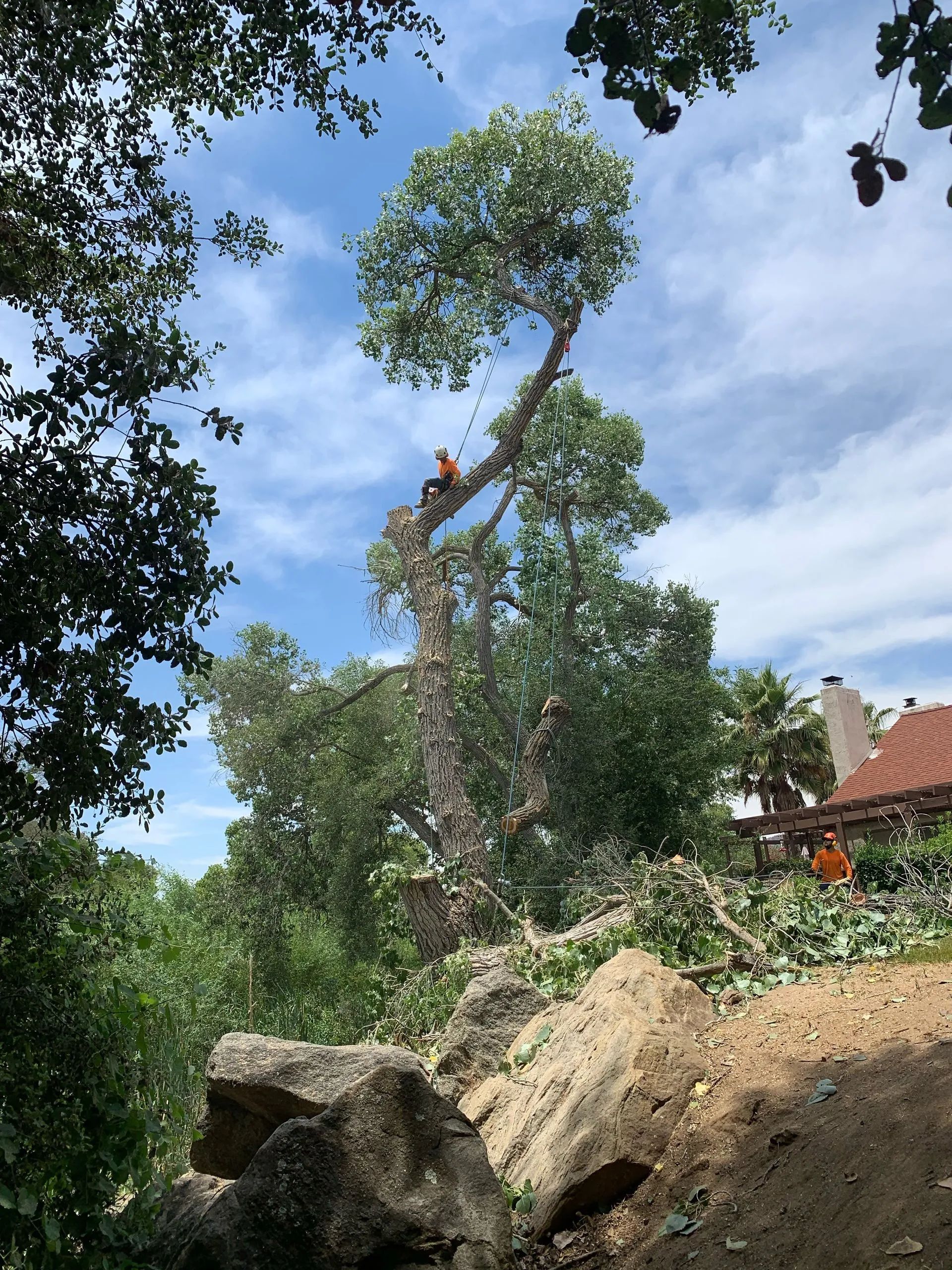
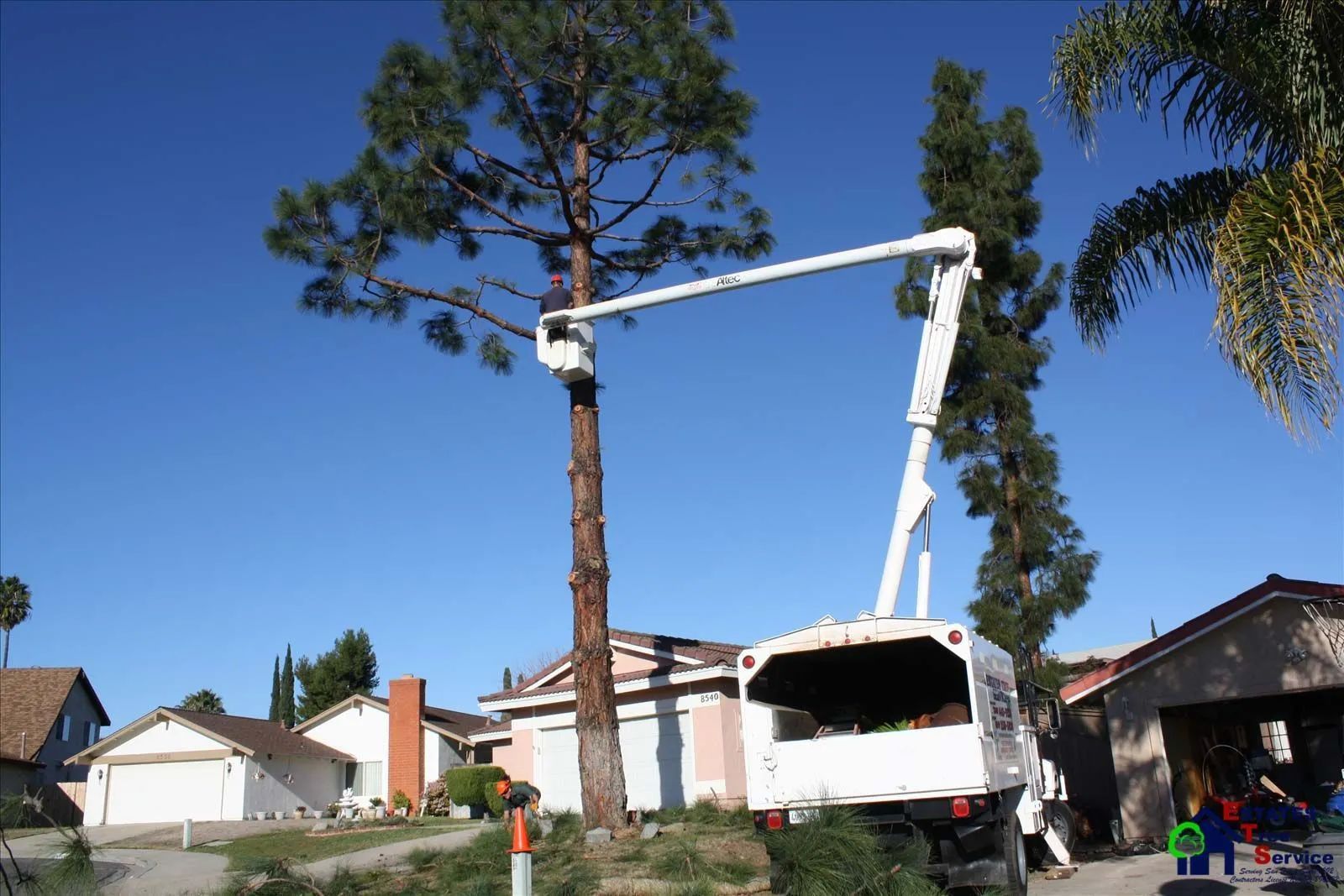
Tall palms present logistical challenges. Homeowners often underestimate the skill and equipment needed to trim trees safely at heights exceeding 20 feet. Attempting DIY trimming without proper training can result in accidents, property damage, or incomplete pruning. Engaging certified arborists or professional tree services is the safest solution, especially for high palms with complex crowns.
Enhancing Aesthetics and Property Value
Shaping and Styling Palms
Trimming isn’t purely functional—it also enhances curb appeal. Strategic removal of unsightly fronds, seed pods, and dead growth can create a more symmetrical, elegant look. Consider framing the tree in the landscape design to highlight its architectural form. For example, Canary Island Date Palms benefit from a classic “palm skirt” trimming style that exposes the trunk while retaining protective fronds near the base.
Complementary Landscaping Practices
Pairing palm trimming with complementary landscaping improves overall aesthetics and property value. Mulching around the base helps retain moisture, while regular irrigation ensures healthy fronds. Fertilization with palm-specific nutrients supports growth, particularly after trimming. These practices collectively create a visually pleasing and healthy yard that enhances both beauty and investment potential.
Seasonal Decor Considerations
Many homeowners incorporate seasonal decorations around palm trees. Proper trimming ensures fronds are strong enough to handle lightweight adornments like lights or ribbons. Avoid attaching items directly to the crown or cutting into green fronds for decoration, as this can cause long-term damage. Safe decoration techniques maintain both aesthetic appeal and tree health.
DIY vs. Professional Services
When to Trim Yourself
Homeowners with smaller palms or limited height requirements can manage basic trimming tasks themselves. Tasks like removing low-hanging dead fronds, clearing seed pods, and cleaning up debris are generally safe with the right tools. However, always follow safety guidelines, wear protective gear, and avoid cutting green fronds or climbing high trees without proper training.
Benefits of Hiring Professionals
Professional tree services bring expertise, equipment, and efficiency to palm trimming. Certified arborists understand species-specific needs, pest prevention, and optimal timing. They also handle height and accessibility challenges safely, reducing risk of injury or property damage. Hiring professionals ensures the tree remains healthy, aesthetically pleasing, and compliant with local regulations regarding tree maintenance.
Cost Considerations and ROI
While professional trimming has upfront costs, the long-term benefits—including reduced disease risk, enhanced property value, and lower future maintenance—often outweigh the expense. DIY trimming may seem economical, but mistakes can lead to costly damage or tree removal. Evaluating risk versus reward helps homeowners make informed decisions that prioritize both safety and aesthetics.
Ongoing Maintenance and Seasonal Tips
Monitoring Health Throughout the Year
Regular observation is key to maintaining healthy palms. Look for yellowing fronds, wilting, or unusual growth patterns, which may indicate nutrient deficiencies, pest infestations, or disease. Early detection allows for prompt intervention, minimizing long-term damage.
Fertilization and Irrigation Best Practices
Palm trees benefit from a balanced, slow-release fertilizer containing potassium, magnesium, and micronutrients. Apply fertilizer in early spring and late summer for optimal results. Proper irrigation ensures consistent moisture without waterlogging the roots. Drip irrigation systems are highly effective for maintaining healthy palms while conserving water.
Preparing for Seasonal Challenges
Southern California experiences periods of drought and occasional strong winds. Properly trimmed palms are less likely to suffer wind damage or breakage. During dry months, maintain irrigation schedules and inspect fronds for dryness or stress. Removing dead or weak fronds proactively reduces fire hazards and prevents falling debris during storms.
Maintaining Thriving Carmel Mountain Ranch Palms
Consistent, informed palm tree care ensures that these iconic trees remain healthy, safe, and visually appealing for years to come. Understanding anatomy, species-specific needs, proper trimming techniques, and seasonal maintenance allows homeowners to protect their investment and enhance property value. Balancing aesthetics, safety, and tree health requires attention to detail, appropriate tools, and careful planning.
Why Choose Estates Tree Service for Your Palm Care Needs
At Estates Tree Service, we bring 44 years of expertise in palm tree care to homeowners across San Diego and Imperial County. Our experienced team understands the unique challenges of Carmel Mountain Ranch landscapes, providing professional trimming, pruning, and maintenance services tailored to each palm species. We prioritize tree health, safety, and aesthetics, using industry-standard techniques and high-quality equipment to achieve optimal results. From routine frond removal to complex height management and pest prevention, our comprehensive services ensure your palms thrive year-round. Our commitment extends beyond trimming; we advise on fertilization, irrigation, and seasonal care, helping homeowners maintain vibrant, resilient landscapes. With decades of experience, trusted local knowledge, and a dedication to excellence, Estates Tree Service is the go-to authority for safe, effective, and aesthetically pleasing palm tree care. Partner with us to safeguard your property, enhance curb appeal, and enjoy the enduring beauty of well-maintained palms.