When to Prune Trees in Mira Mesa, CA for Maximum Growth
December 18, 2025
Pruning trees is a crucial aspect of landscape management, ensuring that trees remain healthy, aesthetically pleasing, and safe. In Mira Mesa, CA, where residential and commercial properties often feature a variety of tree species, understanding the optimal timing and techniques for pruning can make a significant difference in tree growth and vitality. Proper pruning encourages robust branch development, enhances sunlight penetration, and improves air circulation, reducing the risk of disease and pest infestations. Moreover, strategic pruning can prevent hazards associated with overgrown or structurally weak trees, safeguarding property and public spaces. For homeowners and property managers, mastering the timing of pruning is just as important as knowing how to prune effectively.
The timing of tree pruning depends on multiple factors, including the species of the tree, its age, seasonal growth patterns, and specific growth goals. While some trees respond better to pruning during dormancy, others benefit from cuts during the growing season. In Mira Mesa, local climate conditions such as mild winters and warm summers also influence the best pruning periods. This guide aims to provide actionable insights on when to prune trees for maximum growth, offering practical advice backed by expert horticultural reasoning. By following these guidelines, property owners can foster healthier trees that thrive for years while maintaining safe and attractive landscapes.
Understanding the Basics of Tree Pruning
Why Pruning Matters
Pruning is more than a cosmetic task. It involves the selective removal of branches, stems, or roots to improve tree structure and health. Effective pruning can prevent the spread of disease, minimize storm damage, and stimulate growth in specific areas of the tree. For instance, thinning out congested branches allows more sunlight to reach the inner canopy, promoting photosynthesis and strengthening weaker branches. Neglecting proper pruning can result in uneven growth, increased susceptibility to pests, and structural weaknesses that may lead to costly damage.
Pruning Types and Techniques
There are several pruning techniques that serve distinct purposes. Crown thinning removes branches to reduce canopy density without altering the overall shape, enhancing air circulation. Crown raising involves trimming lower branches to provide clearance for walkways, vehicles, or buildings. Crown reduction is used to decrease the overall height or spread of a tree, particularly when space constraints or safety concerns exist. Deadwood removal, as the name suggests, eliminates dead, dying, or diseased branches, promoting overall tree health. Understanding the goals of pruning is essential to determine the right timing and approach for each tree species.
The Role of Seasonal Cycles
Trees follow natural growth cycles influenced by temperature, sunlight, and water availability. In Mira Mesa, many deciduous trees enter a dormant state during the winter months, while evergreen species maintain active growth throughout the year. Recognizing these cycles is critical because pruning at the wrong time can hinder growth or expose trees to disease. Pruning during dormancy typically reduces stress on the tree and minimizes sap loss, whereas pruning during active growth may stimulate new shoots and flowering, depending on the species.
Best Times to Prune Deciduous Trees
Winter Dormancy Pruning
For most deciduous trees, late winter, just before new growth begins, is the ideal pruning period. This timing allows the tree to heal rapidly as it enters the spring growth phase. Pruning in late winter reduces the risk of disease transmission, as fungal spores and insects are less active. Common deciduous species in Mira Mesa, such as oaks, maples, and sycamores, benefit from this approach. Pruning during dormancy also provides a clear view of the tree's structure, making it easier to identify and remove weak or crossing branches.
Spring and Summer Considerations
While late winter is preferred, light pruning in early spring or summer can also be beneficial for shaping young trees or removing problematic growth. However, excessive pruning during these seasons can increase sap loss and stress, especially for certain species prone to bleeding, like maple or birch. Summer pruning should generally focus on removing dead or damaged branches, managing suckers, and maintaining the desired shape rather than heavy structural cuts.
Real-World Scenario
Consider a residential property in Mira Mesa with a large oak tree in the backyard. Pruning in late February allows the homeowner to remove overcrowded branches before the spring flush, encouraging strong, outward-growing limbs. If pruning were delayed until summer, new growth might be stunted, and the tree could be more susceptible to pests such as aphids or oak borers, which are more active in warmer months.
Pruning Evergreen Trees for Optimal Health
Timing for Evergreens
Evergreen trees, including pines, cypress, and eucalyptus, require a different approach. Unlike deciduous trees, evergreens maintain foliage year-round, making timing less constrained by dormancy. However, the most effective pruning is usually done in late winter or early spring, just before new growth begins. This timing allows the tree to allocate energy toward recovery and encourages denser foliage growth.
Avoiding Over-Pruning
Evergreens are sensitive to heavy pruning, which can result in sparse growth or permanent bald spots if conducted improperly. Limiting cuts to no more than 25% of the canopy in a single session helps maintain natural shape and vigor. Selective pruning of dead or diseased branches, along with light shaping, can improve air circulation and reduce the risk of fungal infections, particularly in the moist coastal environment of Mira Mesa.
Best Practices and Examples
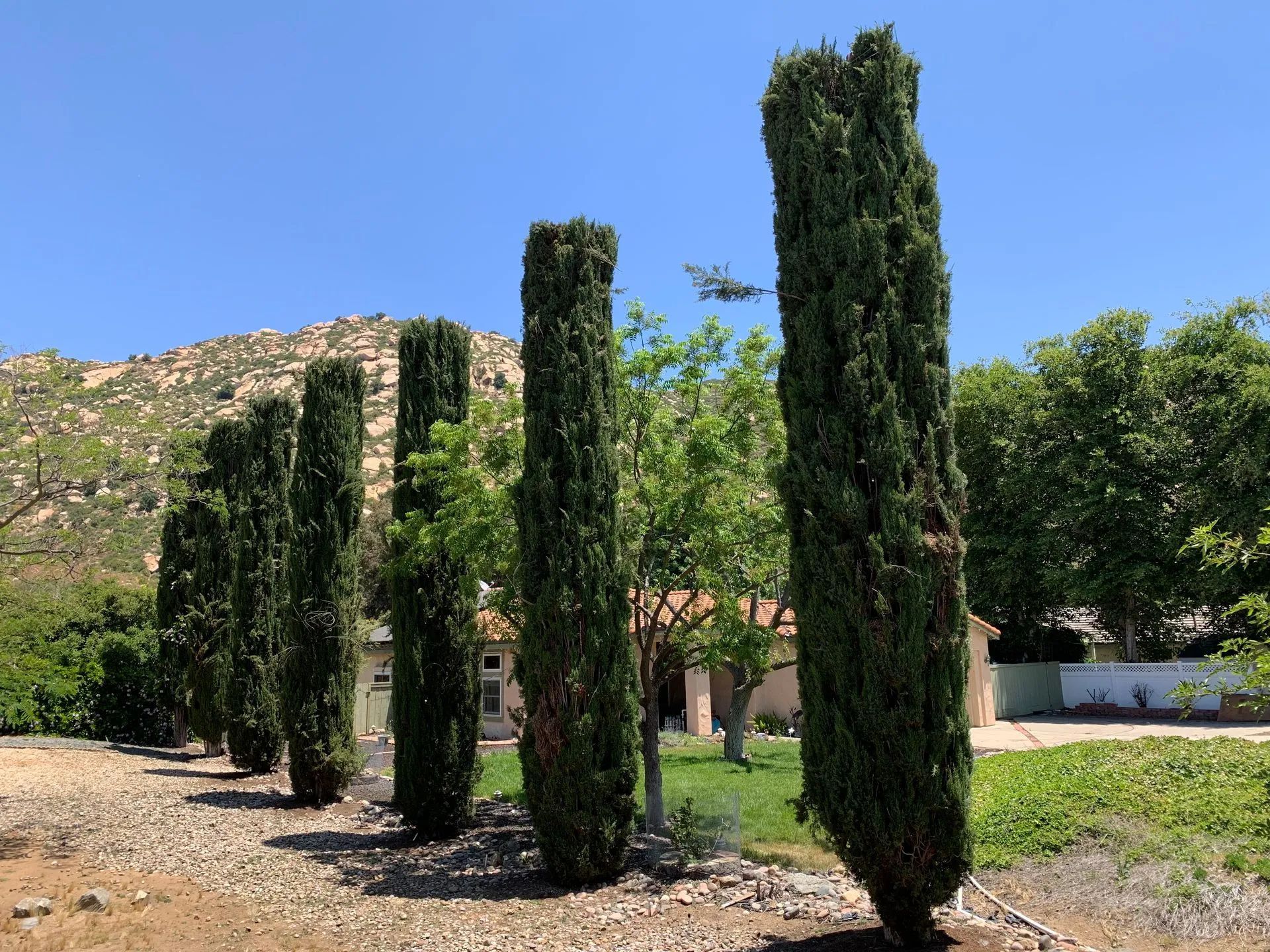
For homeowners with cypress hedges along a property boundary, gradual pruning in early spring helps maintain a uniform appearance without compromising health. Removing only the outer growth layers encourages the interior branches to fill in gradually, preventing gaps and promoting robust coverage. In contrast, heavy shearing during late summer can stress the trees, reduce resilience to drought, and make them more susceptible to bark pests.
Understanding Flowering and Fruit Trees
Pruning for Flowering Trees
Flowering trees such as crape myrtle, cherry, or magnolia require pruning that considers both aesthetic appeal and bloom timing. Typically, pruning immediately after flowering ensures that buds for the next season are preserved. Pruning too early in the season can remove developing flower buds, reducing blooms, while late-season pruning can stimulate weak growth susceptible to winter damage.
Fruit Tree Pruning
For fruit-bearing trees like citrus, apples, and peaches, timing impacts not only tree health but also yield. Winter pruning of dormant fruit trees helps shape the tree, remove deadwood, and improve sunlight penetration. Summer pruning can be used to control size, thin fruit, and enhance air circulation. Properly timed pruning reduces the risk of disease, encourages larger fruit production, and facilitates easier harvesting.
Challenges and Tips
A common challenge in Mira Mesa is balancing aesthetic pruning with optimal fruit or flower production. Over-pruning can lead to excessive vegetative growth at the expense of flowers or fruit. Homeowners should focus on structural pruning first—removing dead or crossing branches—before performing cosmetic cuts. Regular, moderate pruning is more effective than infrequent, heavy pruning, ensuring trees remain healthy and productive.
Addressing Common Pruning Challenges
Disease and Pest Prevention
Pruning at the wrong time can increase susceptibility to diseases such as oak wilt, powdery mildew, or canker. Selecting the correct season for pruning, sterilizing tools, and avoiding large wounds during active growth periods reduces infection risk. In Mira Mesa, homeowners often face challenges with fungal infections due to the region’s mild, moist climate. Proper pruning techniques combined with monitoring can mitigate these risks effectively.
Safety and Property Considerations
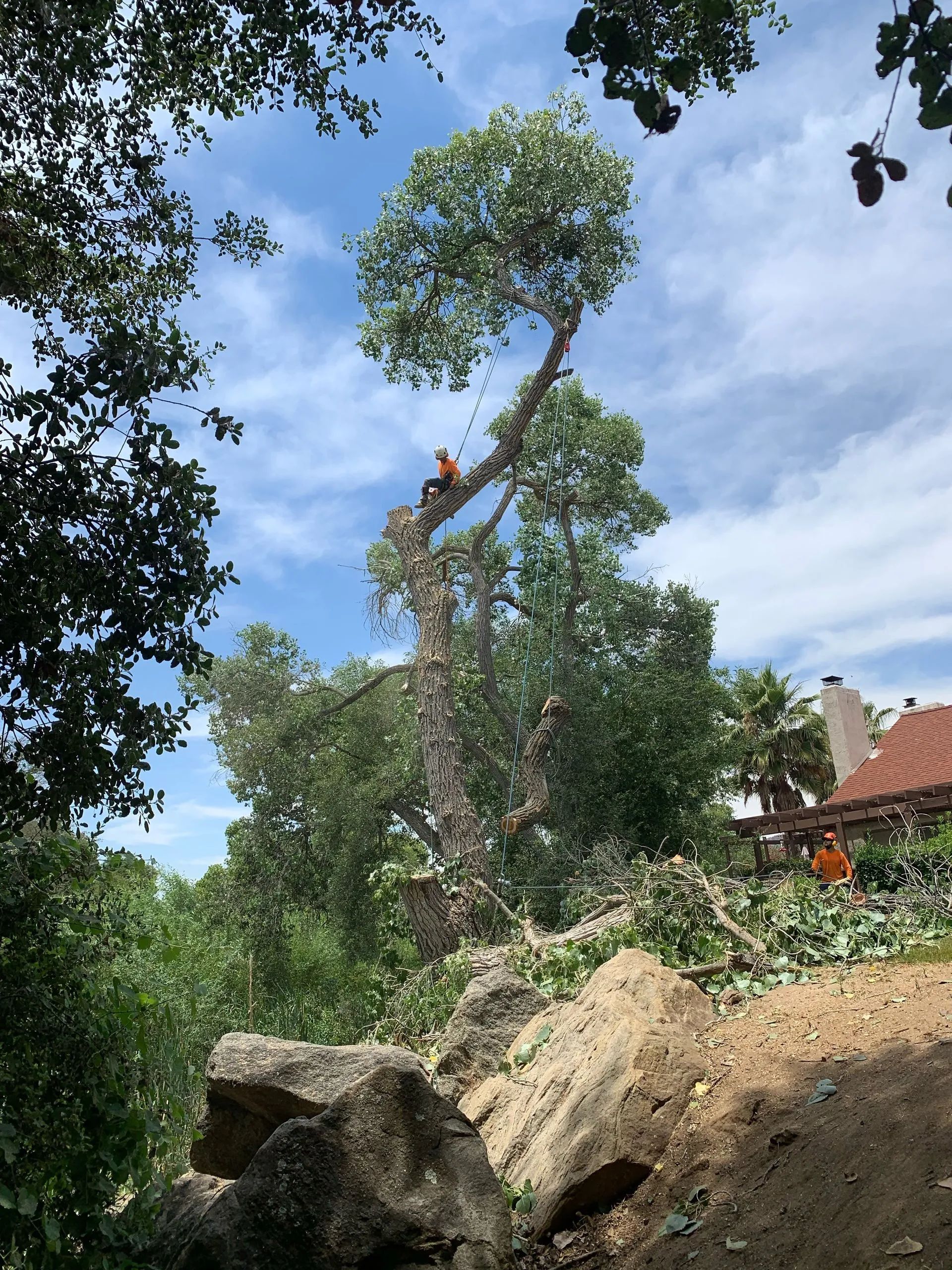
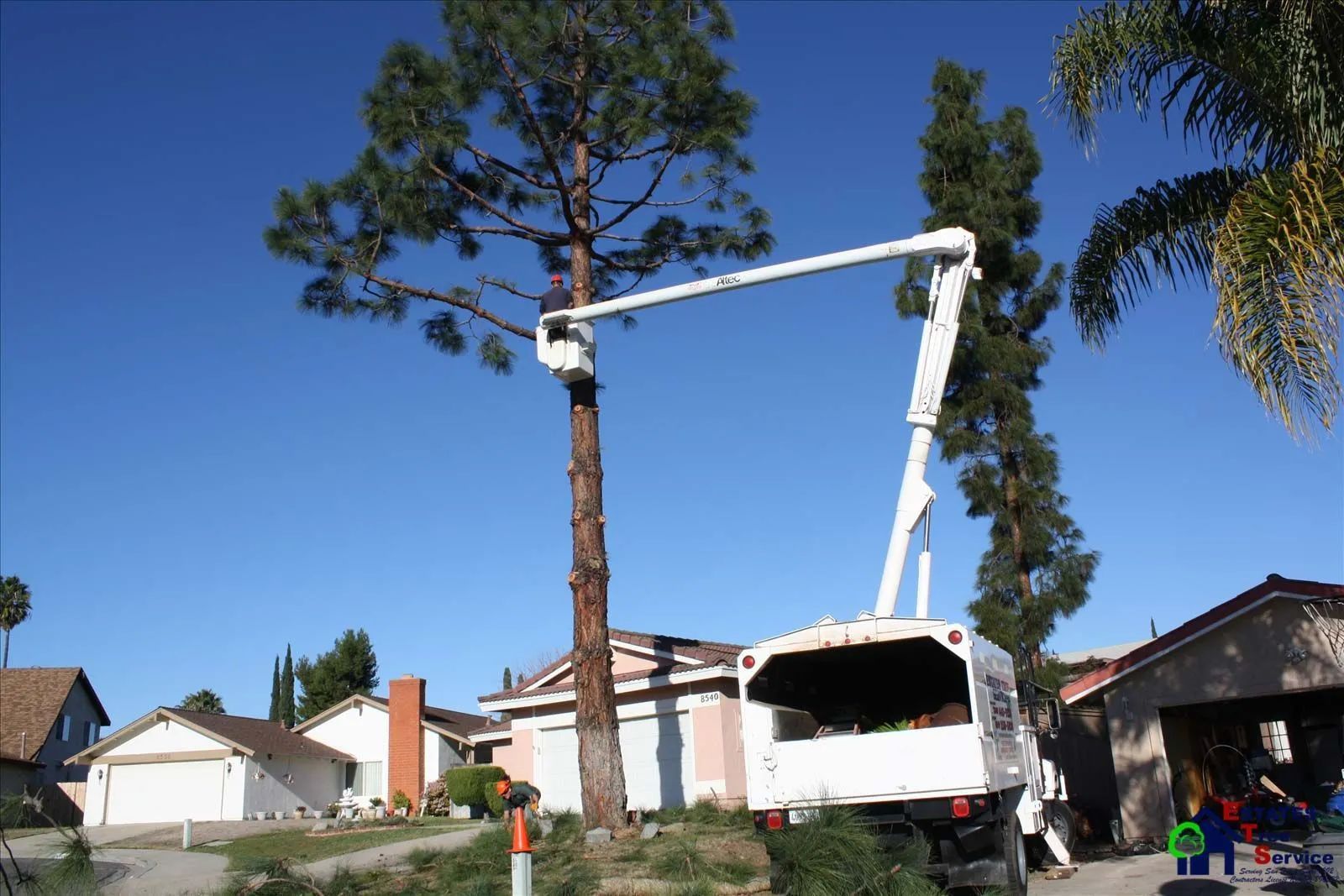
Tree pruning carries inherent risks. Large branches can fall and damage property or injure individuals if not handled correctly. Hiring professionals or using proper equipment is essential when dealing with tall or heavy trees. Homeowners should also consider the tree’s location relative to power lines, structures, or public pathways to minimize hazards. Regular maintenance pruning can prevent the need for emergency, potentially dangerous removals.
Cost and Resource Management
While pruning is an investment in tree health, improper timing or techniques can lead to repeated work, increased costs, and stressed trees. Planning pruning schedules according to species, growth stage, and local climate ensures efficient use of time and resources. Residents in Mira Mesa can save costs by combining pruning with other seasonal landscaping tasks, such as fertilization and irrigation, optimizing tree care throughout the year.
Expert Advice for Optimal Tree Growth Timing
Pruning is a vital component of tree care that directly impacts growth, health, and longevity. For property owners in Mira Mesa, CA, understanding when and how to prune trees ensures that they thrive, remain structurally sound, and provide aesthetic value. Proper timing, tailored techniques, and seasonal awareness are crucial for both deciduous and evergreen trees, as well as flowering and fruit-bearing species. By integrating these practices into regular maintenance routines, homeowners can maximize the benefits of pruning while minimizing risks, disease, and stress to trees. A strategic, informed approach guarantees stronger branches, denser canopies, and improved fruit and flower production.
Estates Tree Service, with 44 years of experience serving San Diego and Imperial County, has consistently helped residents and businesses maintain healthy, beautiful trees. Our team of skilled arborists understands the unique challenges of the local climate and diverse tree species, providing professional pruning services tailored to each client’s needs. From structural pruning of mature oaks to shaping ornamental and fruit trees, we prioritize safety, precision, and long-term tree health. Trust us to combine expert knowledge, high-quality tools, and proven techniques to ensure your trees thrive year after year, enhancing your property’s value, safety, and natural beauty.